
Your hotel or restaurant lives and breathes through the reviews your guests leave. How you reply to those reviews? That can change everything.
Imagine this: a guest leaves a not-so-great comment, but your reply turns them into a loyal fan. Or a happy guest feels even more appreciated because of your kind words. Sounds good, right? That’s what thoughtful responses can do.
In this guide, you’ll find easy tips to respond in a way that builds trust, shows you care, and helps your business grow.
Why Responding to Reviews Matters
Answering reviews isn’t just polite—it’s smart. Here’s why it matters:
- Builds trust: Guests see that you care about their experience.
- Improves your image: Shows you’re professional and engaged.
- Encourages feedback: More reviews mean more chances to improve.
- Helps your business: You learn what’s working and what’s not.

How Responding Builds Trust
When you reply quickly and politely, guests feel heard. That feeling makes them want to come back. And maybe tell their friends too.
Boosting Your Online Reputation
Think of your replies like a spotlight on your business. Good responses show you’re serious about quality. They also help balance out any not-so-great reviews.
Getting Useful Feedback
Replies open the door to conversation. They help you find what’s great and what needs fixing. Feedback is like a roadmap for better service and menus.
Encouraging More Reviews
When guests see you respond, they’re more likely to leave their own thoughts. More reviews = more visibility and trust online. It shows you’re active and care about your customers.
Different Types of Reviews and How to Handle Them
Not all reviews are the same. Each one deserves a special touch.
- Positive reviews: Thank the guest warmly. Mention something specific they liked. Invite them back.
- Negative reviews: Apologize sincerely. Avoid excuses. Offer a way to make it right or invite a private chat.
- Neutral reviews: Thank them and ask for more details. It’s a chance to learn and improve.
When to Respond
Timing is key.
- Within 24 hours: Quick replies show you care.
- Prioritize negative reviews: Fix problems fast to turn things around.
- Busy times: Use quick acknowledgments and follow up later with detailed answers.
Making Your Replies Personal
Don’t sound like a robot. Make each reply feel unique and real.
- Use the guest’s name: “Thank you, Sarah” feels better than “Dear Customer.”
- Reference details: Mention the dish they loved or the room they stayed in.
- Show real thanks and empathy: Acknowledge feelings and apologize when needed.
- Keep it friendly but professional: Warm and polite beats stiff or too casual.
Handling Negative Feedback with Care
Negative reviews can sting. But they’re also your chance to shine.
- Start with a sincere apology: “We’re sorry for the inconvenience.”
- Don’t blame anyone or make excuses.
- Offer solutions: Refunds, discounts, or a private chat show you want to help.
- Keep your tone calm and respectful—it goes a long way.
Getting More Reviews
More reviews mean more trust and better visibility. Here’s how to encourage them:
- Make it easy: Use QR codes or short links to your review page.
- Ask soon after the visit, when the experience is fresh.
- Train your staff to ask nicely and personally.
- Offer small rewards like discounts—but never pressure for only positive reviews.
- Thank reviewers publicly to encourage others.
Using Reviews to Improve
Reviews are like a mirror. Use them to see what’s great and what needs work.
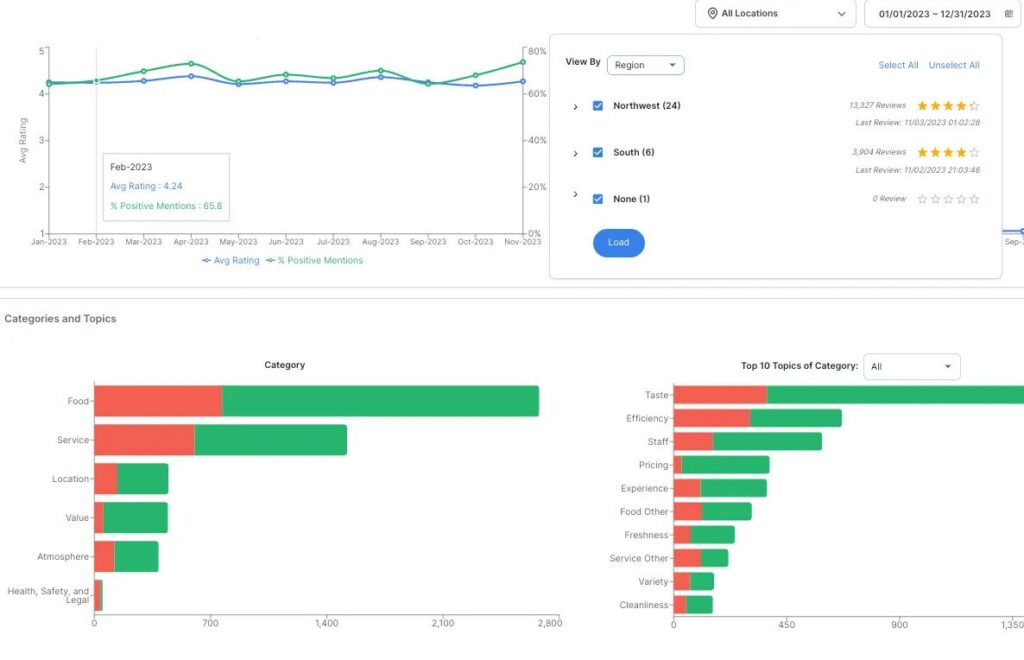
- Look for common themes like food quality or cleanliness.
- Train staff based on what guests say.
- Fix policies or steps that slow things down.
- Tell guests what you’re changing to show you’re listening.
Tools to Manage Reviews
Keeping track of reviews can be a hassle. Tools help:
- Review platforms: Collect reviews from many sites in one place (like Trustpilot).
- Social media tools: Track mentions and respond fast (like Hootsuite).
- Feedback software: Send surveys to guests and gather insights (like Survey Monkey).

Legal and Ethical Tips
Responding to reviews isn’t just about manners. It’s about following the rules.
- Never post fake reviews or ask others to.
- Don’t share private info or threaten reviewers.
- Be honest. Admit mistakes and offer solutions.
- Stay calm and respectful, even with unfair reviews.
Common Questions
How do I respond to negative reviews?
Be polite, apologize sincerely, and offer a fix or private chat.
Why respond to positive reviews?
It shows thanks and makes guests want to come back.
What tone should I use?
Friendly, respectful, and professional.
How fast should I reply?
Within 24 to 48 hours.
Should I personalize replies?
Yes, it makes guests feel special.
Can replies improve my reputation?
Absolutely. Thoughtful replies attract more guests.
How to handle fake or unfair reviews?
Stay calm, respond politely, and stick to facts.
What mistakes should I avoid?
Don’t be generic, defensive, or ignore reviews.
Conclusion
Every review is a chance to connect. When you respond kindly and quickly, you show guests you care. Fix problems fast, thank guests often, and keep your replies honest. Over time, this builds trust, loyalty, and a better reputation.
Remember: it’s not just about reviews. It’s about the people behind them.