
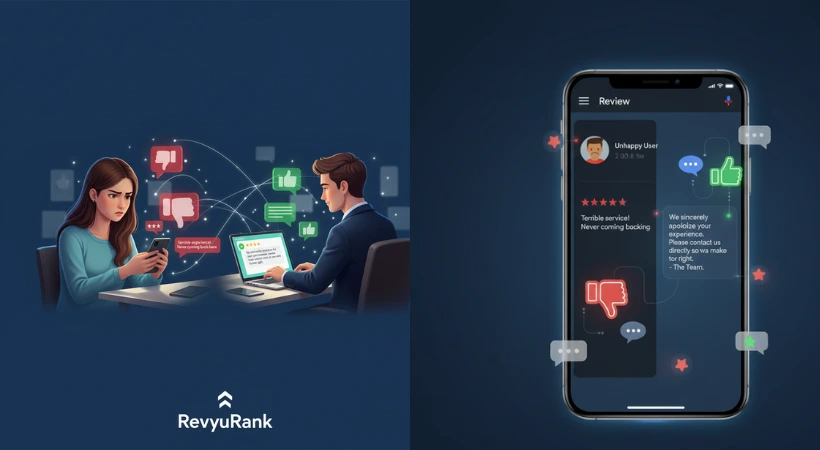
Negative reviews? They sting. Especially when you’ve poured your heart into your business. But here’s the thing: those tough moments can actually be great chances to show what you’re made of.
Knowing how to respond well doesn’t just protect your reputation. It can win back unhappy customers and even attract new ones. Below, you’ll find real examples of negative reviews businesses face — along with simple templates to help you reply with confidence and kindness.
Ready to turn complaints into connections? Let’s dive in.
Common Types of Negative Reviews
Every business gets negative feedback. Understanding the main types makes it easier to respond well. Each kind shows what the customer felt and where things went wrong. A smart reply can turn a frustrated customer into a loyal fan.
- Product Quality Complaints: Customers might say the item broke fast or didn’t work as expected. Your response should be polite, acknowledge the issue, and offer a fix.
- Poor Customer Service: Complaints about rude staff or slow help need calm, caring replies. Apologize and explain how you’ll improve.
- Shipping and Delivery Problems: Late or missing packages cause headaches. Say sorry, update customers, and offer quick solutions.
- Misleading Product Descriptions: If the product isn’t what they expected, clarify details and offer returns or exchanges. Honesty builds trust.
- Pricing and Value Concerns: Some feel the price is too high. Explain the value clearly and consider discounts or deals.
Why Negative Reviews Matter
A bad review can make people hesitate. Even one can change someone’s mind about buying. Reviews are like word-of-mouth on steroids. When they’re negative, trust drops. Sales can dip. And search engines notice, too — lots of bad reviews can hurt your online ranking.
But here’s the twist: how you respond matters just as much as the review itself. A thoughtful reply can turn things around and show customers you care.
How Negative Reviews Affect Your Business
- Trust and Brand Image: Negative feedback can make your business seem less reliable.
- Sales and Revenue: People check reviews before buying. Bad ones can push them to competitors.
- Search Engine Rankings: Google and others factor in reviews when ranking your site.
- Customer Loyalty: A good response shows you listen — making customers more likely to stick around.
How to Write a Professional Response
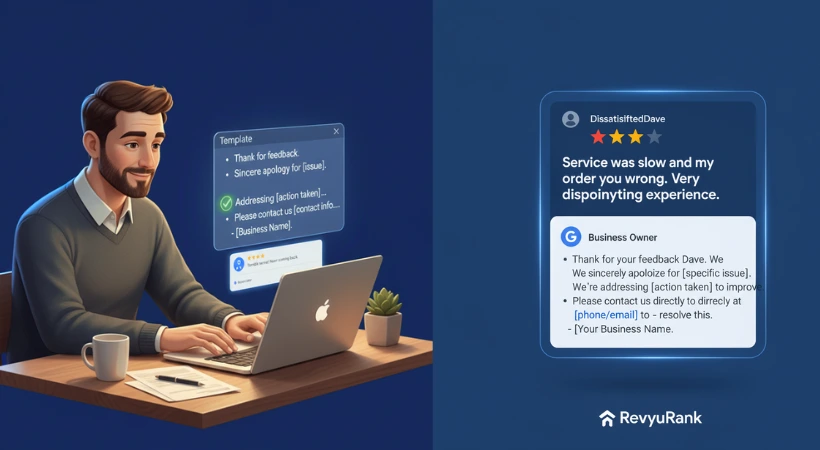
Responding well shows you’re serious about your customers. Here’s a simple formula that works every time:
- Thank the reviewer. A little gratitude goes a long way.
- Acknowledge the issue. Show you understand their problem — no excuses.
- Apologize sincerely. A genuine “sorry” calms things down.
- Offer a solution. Whether it’s a refund, replacement, or fix, say what you’ll do.
- Invite them to talk privately. Share contact info to keep the conversation personal.
Example Templates For Product Complaints
Here are some easy-to-use replies you can tweak for your business:
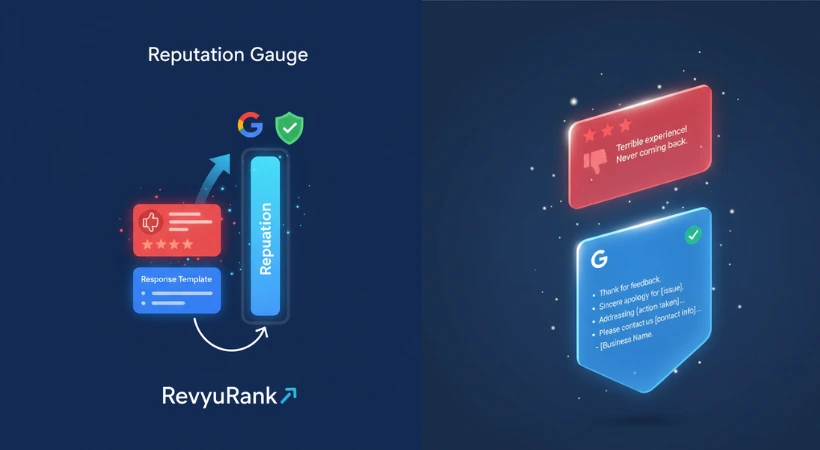
- Apology and Solution:“We’re sorry the product didn’t meet your expectations. Please reach out to us for a replacement or refund. We want to make this right.”
- Request for More Info:“Thanks for your feedback! Could you share more details about the issue? That’ll help us assist you better.”
- Follow-up and Assurance:“We’ve received your complaint and are looking into it. We’ll update you soon. Thanks for your patience.”
Handling Service-Related Complaints
Service complaints can hurt your reputation fast. But a calm, respectful reply shows you care. Here’s how to handle them:
- Stay calm and listen: Read the complaint carefully before responding.
- Acknowledge and apologize: Even if it’s not your fault, a sorry helps.
- Offer a clear fix: Say what you’ll do and give options.
- Keep it short and friendly: Simple language works best.
- Invite more contact: Share how they can reach you.
Dealing With Unreasonable Reviews
Some reviews just don’t seem fair. Maybe they’re based on wrong info or are just rude. Here’s how to handle those:
- Stay calm and professional. Don’t get defensive.
- Address the issue briefly. Acknowledge concerns without agreeing to false claims.
- Offer private help. Invite them to talk offline.
- Know when to move on. Sometimes it’s best to respond once and then focus elsewhere.
Turning Negative Reviews into Opportunities
Negative reviews aren’t just problems. They’re chances to learn and grow. A good reply shows you’re listening and willing to improve. That can turn unhappy customers into repeat buyers.
Here’s how:
- Understand their concerns. Read carefully and show empathy.
- Write a thoughtful response. Keep it short, thank them, apologize, and offer a fix.
- Use feedback to improve. Fix issues and let customers know you’re making changes.
Best Practices for Managing Reviews
- Reply quickly and politely. Fast responses show you care.
- Address the issue clearly. Show you understand and will act.
- Keep answers simple. Short and clear wins.
- Offer solutions or follow-up. Invite private contact for details.
- Always thank customers. Feedback helps you grow.
Frequently Asked Questions
What is a negative review?
A review where a customer shares a bad experience or dissatisfaction.
Why respond professionally to negative reviews?
It builds trust, shows you care, and protects your reputation.
How do I write a good negative review response?
Acknowledge the problem, apologize sincerely, and offer a solution.
Can negative reviews help improve my business?
Yes, they point out areas to fix and help you serve customers better.
What tone should I use when replying?
Keep it polite, calm, and understanding.
Should I respond to all negative reviews?
Yes, it shows you value customer feedback.
How fast should I reply?
Within 24 to 48 hours is best.
What should a response template include?
An apology, acknowledgment, solution offer, and invitation to continue the conversation.
Final Thoughts
Negative reviews aren’t the end of the world. With the right approach, they can help your business grow. Use these examples and tips to guide your replies. Keep your tone calm, kind, and professional.
Remember: each response shapes how people see your business. Answer wisely. Stay open to learning. And watch how even tough feedback can become a stepping stone to better customer relationships.