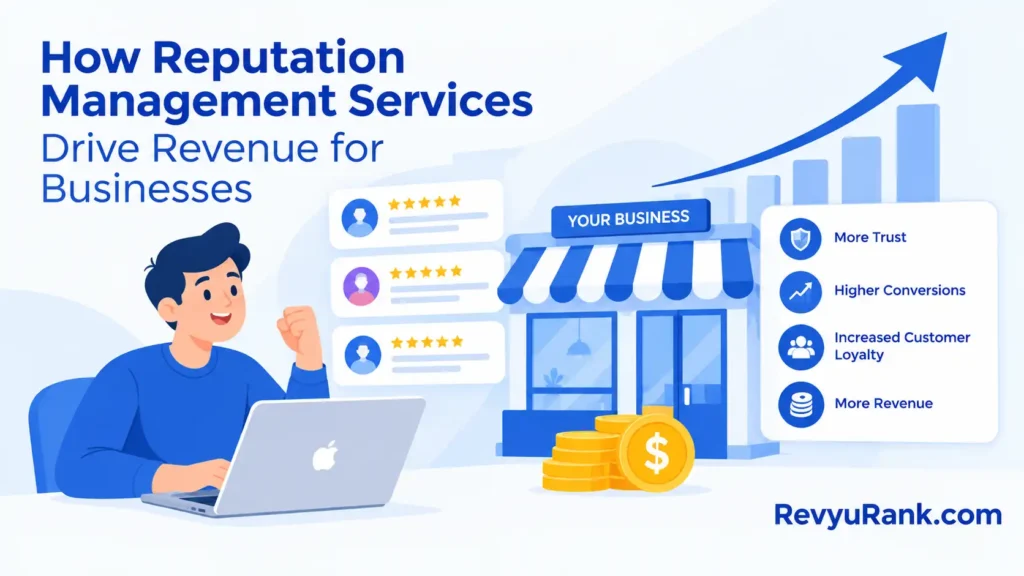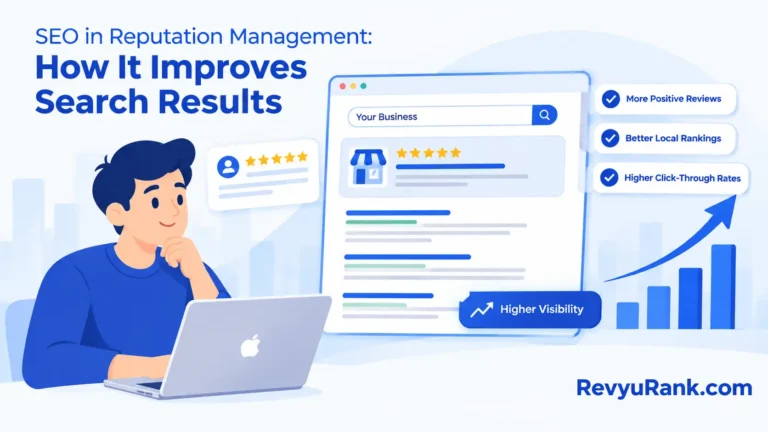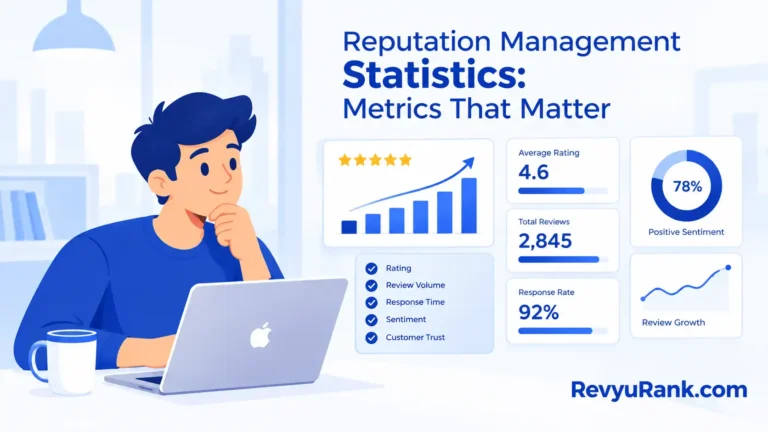


To get more Google reviews in 2026, focus on making the review process simple, timely, and natural. Ask satisfied customers for feedback after a purchase or completed service, provide a direct Google review link or QR code, and make the request easy to complete on a phone. Train your team to ask customers at the right moment, follow up politely when appropriate, and respond professionally to every review.
The most effective approach is to build Google review requests into your normal customer experience rather than relying on one-time campaigns. You can request honest feedback through email, SMS, receipts, invoices, or in-person conversations, as long as your approach follows Google’s policies and does not manipulate customers or offer incentives for positive reviews.
A consistent review strategy can help businesses build customer trust, strengthen their online reputation, and create fresh feedback that prospective customers can evaluate when choosing a local business. The goal is not simply to collect more reviews, but to generate more genuine Google reviews from real customers.
Top Ways to Get More Google Reviews for Your Business in 2026
The most effective ways to get more google reviews are simple: ask satisfied customers, make review requests easy to act on, and share a clear review link. Small businesses can do this well because personal contact often leads to stronger response rates and more genuine feedback.
That matters because potential customers read reviews before buying. A steady review strategy supports your online reputation and helps your business stand out in search results. Start with the practical tactics below, then repeat what works consistently.
1. Claim and Optimize Your Google Business Profile
First, claim your google business profile so you can manage reviews properly. If you have not done that yet, search your business name and location on Google and follow the claim process. Without ownership, you cannot fully read, respond to, or manage customer feedback.
Next, make sure the profile is complete. Use your real business name, list accurate hours, add the correct phone number, and write a clear description. Good photos also help people feel more confident before they contact you.
This step matters because a complete listing improves search visibility and makes your company look trustworthy in search results. When satisfied customers see a polished profile, they are more likely to leave feedback because the business already appears active, reliable, and easy to find.

2. Generate and Share a Direct Google Review Link
Many businesses lose reviews because the process feels too long. A direct link fixes that. Instead of asking customers to search for your profile, find the reviews section, and click through multiple steps, send them straight to the review page.
You can create a google review link from your profile by opening the reviews area and copying the option used to get more reviews. Once you have it, share that direct link in emails, texts, and follow-up messages tied to review requests.
If the link looks messy, shorten it so it is easier to use on printed materials or messages. The easier it is to open your review page, the more likely people are to finish the task. Convenience often makes the difference between good intentions and completed reviews.
3. Add QR Codes for Easy Review Access
A qr code is one of the easiest ways to connect offline customers to your review page. Small businesses can use it well because it works in person, right when a positive experience is still fresh. Scan, tap, review. That is much easier than asking someone to search later.
You can create a qr code using a free generator and connect it to your google review link. Then place it where customers naturally pause after service or payment.
- Add it to business cards, thank you notes, or postcards.
- Place it near exits, counters, or pickup areas.
- Include it on printed materials customers already keep.
This approach supports more customer reviews because it removes friction. When review requests are immediate and simple, more people follow through. For local businesses with face-to-face interactions, that can be a very practical advantage.

4. Use Email Signatures to Request Reviews
Your email signature can quietly support review requests every day. It works because it does not interrupt the conversation. Instead, it gives happy customers a simple next step after they have already interacted with your business.
Add a short call to action and your google review link to the signature used by owners, managers, and customer-facing staff. Over time, this creates more opportunities for customer feedback without needing a separate campaign every time.
- Keep the wording short and direct.
- Link straight to the review page.
- Use the same signature across the team.
This method is especially useful if you already email customers for scheduling, estimates, support, or follow-up. The request feels natural, and people who had a good experience can respond when it suits them. Small touches like this often build review momentum.
5. Ask Customers for Reviews Immediately After Service
Timing matters. The right time to ask is right after the service is completed and the customer is clearly pleased. That is when happy customers still remember the details, and your review requests feel relevant rather than random.
Instead of a vague question, start a real conversation. Ask how everything went, whether you met expectations, or if anything stands out about the experience. Once satisfied customers share positive comments, invite them to place that same customer feedback in a review.
A simple example works well: “We’re so glad you’re happy with the service. If you’re open to it, would you mind putting some of that into a quick Google review?” Clear, warm wording keeps the request comfortable. Direct asks often outperform hints.
6. Display Positive Google Reviews on Your Website and Social Media
Showing positive google reviews helps future buyers trust you faster. It gives them social proof that your service is reliable and worth considering. When people see that others had a good experience, they feel more comfortable choosing your business.
Add a reviews section to your website and share selected feedback on social media. This extends your online presence while also reminding current customers that reviews matter. It can even help people think of what to write when they leave their own comments.
There is another benefit too. Reviews displayed in readable text can add useful content to your site, while a visible stream of praise reinforces trust across review sites and social channels. When customers see appreciation for past feedback, they may feel encouraged to add theirs.
7. Integrate Review Requests into Customer Receipts and Invoices
Receipts and invoices are easy places to add review requests because customers already expect to read them. This works well for service businesses that want a simple, repeatable way to gather customer feedback without adding extra steps for staff.
Add a short line that invites the customer to share their experience, then include your google review link. If you use printed receipts, a qr code can point straight to your business profile and review page.
- Place the request near the total or thank-you message.
- Keep the wording brief and polite.
- Match the tone to your customer service style.
This strategy is especially useful for small businesses because it turns an existing document into a review tool. You are not creating a new process. You are simply making it easier for customers to act while the interaction is still recent.
8. Train Your Team to Encourage Reviews in Person
Your team can play a big role in increasing customer reviews. When staff members provide strong customer service and notice a positive experience, they can make review requests feel natural instead of forced. This is one of the most effective ways to grow genuine reviews.
Training should focus on timing, tone, and confidence. Team members do not need a script for every moment, but they do need a simple way to ask after a successful interaction.
- Ask only after clear customer satisfaction.
- Use friendly, direct language.
- Point customers to the easiest review option.
This matters because people often respond well to a real human request. In-person asks can be especially effective for local businesses where relationships are personal. If your team knows how to spot the right moment, review volume can improve without sounding pushy.
9. Send Personalized Follow-Up Messages
A personalized follow-up message can make review requests feel thoughtful rather than automatic. Use the customer’s name and mention the service they received. That small detail shows you remember their customer experience and value their time.
Keep the message short. Thank them, mention that feedback helps your business improve, and include the review link. Text and email both work, but the best message is the one sent soon after a positive interaction.
For example, you might say: “Hey Maria, thank you for choosing us. We’d love your feedback on your recent service. If you have a minute, here’s our review link.” Personalized outreach often gets better results because it feels like a real conversation. That makes customers more willing to respond.
10. Leverage Review Reminder Tools and Automation
Review reminder tools can help increase google reviews because they make follow-up more consistent. If you rely only on memory, review requests often get missed. Automated review requests solve that by reaching customers after the right action, such as a completed job or purchase.
These tools are useful because they support steady review volume and can improve response rates over time. They also help teams send polite reminders without building every message by hand.
| Feature | How it helps |
| Scheduled sends | Triggers review requests soon after service |
| Personalization fields | Adds names and service details for a better customer experience |
| Repeatable workflows | Keeps follow-up consistent across the business |
| Multi-channel delivery | Supports email or text review requests |
Automation works best when messages still feel human. Keep wording friendly, send only after real interactions, and always make the path to reviewing simple.
Best Practices for Asking Customers for Google Reviews
Asking for google reviews works best when the request feels natural and timely. Focus on people who had a good experience and keep your wording simple. Happy customers usually do not need a long explanation. They just need a clear invitation and an easy path to respond.
The next best practices can help you improve review requests without sounding repetitive or pushy. Each one makes the customer experience smoother, which raises the chance of getting useful feedback.
Use Friendly, Direct Language When Making Requests
The best review requests are clear and warm. You do not need complicated phrasing. Happy customers respond better when you simply ask. Direct language reduces confusion and makes the next step obvious.
Try wording such as, “Would you take two minutes to leave us a Google review?” or “If you have a moment, we’d appreciate your customer feedback.” These examples work because they are polite, specific, and easy to understand.
- Ask for a quick google review, not a long essay.
- Mention that customer reviews help others choose with confidence.
- Thank people before and after they respond.
Friendly requests encourage more online reviews because they respect the customer’s time. When the ask feels honest and manageable, people are more likely to follow through. Keep it short, human, and tied to the positive moment you just created.
Personalize Your Requests Based on Customer Experience
Personalization makes review requests feel more sincere. Instead of sending the same message to everyone, connect the ask to the actual customer experience. Mention the service, purchase, or recent interaction so the request feels earned.
This also helps customers know what to talk about. A personalized note can remind them of the part of the experience that stood out, which makes writing customer feedback easier. Include the review link so there is no extra effort.
For example, thank a customer for a recent installation, appointment, or order, then invite them to share their thoughts. That approach works well because it feels specific, not generic. Customers are more likely to respond when they feel seen, and that can lead to more useful reviews.
Provide Clear Instructions to Make Leaving a Review Simple
Even willing customers may not leave a review if the process feels unclear. Good review requests remove that barrier. Tell people exactly where to click, what to expect, and how little time it takes. Simplicity supports action.
Share the google review link directly instead of asking people to search for your business. If you are asking in person, use a qr code that opens the review page immediately. When the path is short, more customers finish it.
- Say the review takes only a couple of minutes.
- Link directly to the review page.
- Use simple wording in every request.
This is especially important after a positive experience, when the customer is open to helping but may get distracted later. Clear instructions protect that moment. The easier you make customer feedback, the more likely people are to leave it.
What to Avoid When Requesting Google Reviews
Getting more google reviews should never mean cutting corners. If your review requests break the rules, you risk policy violations, lost reviews, or even trouble with your profile. That is why honest methods matter more than shortcuts.
Avoid fake reviews, review gating, and anything that pressures customers to leave only positive comments. The next sections cover common mistakes that can damage trust and weaken the long-term value of your review strategy.
Don’t Offer Incentives That Violate Google’s Guidelines
A business owner should never offer discounts, gifts, or rewards in exchange for google reviews. That can create policy violations and put your listing at risk. Even if the review looks positive, it may not be considered trustworthy.
The goal is to collect honest feedback from real customers, not to buy praise. When incentives drive the response, the quality of the review can drop and trust can fade. Potential customers often notice when feedback feels unnatural.
Instead, focus your review requests on timing, convenience, and good service. Ask after a strong interaction, provide a direct link, and make the process easy. That approach supports authentic results and protects your reputation. In the long run, genuine feedback always offers more value than pressured or paid responses
Avoid Bulk or Spammy Review Requests
Sending too many review requests at once can backfire. Bulk outreach often feels spammy, especially when the message is generic or sent to people with little recent contact. That can hurt trust and lower the chance of real customer feedback.
It can also create the appearance of fake engagement. If a large wave of google reviews arrives from weak or poorly timed asks, the pattern may not reflect normal customer behavior. That is not the kind of momentum you want.
A better approach is to build a steady system. Ask after completed service, follow up politely, and target people who actually had a recent interaction. This keeps the process natural and respectful. Consistent, well-timed requests usually perform better than blasts that feel rushed or careless.
Never Post Fake or Misleading Reviews
Fake reviews and misleading reviews damage trust fast. They may look helpful in the short term, but they weaken your online reputation and can create lasting problems across review sites. Customers want real experiences from real people.
Genuine reviews are more believable, even when every comment is not perfect. In fact, a mix of feedback can make your business seem more human and transparent. That honesty is far more valuable than manufactured praise.
- Never write reviews for yourself.
- Never ask staff or partners to pose as customers.
- Never edit customer opinions into something untrue.
If you want stronger results, earn them through service and smart follow-up. Honest feedback helps future customers make informed choices and gives you useful insight. Fake content does neither. It only creates risk and undermines the credibility you are trying to build.
How Responding to Google Reviews Helps Your Business
Responding to google reviews is absolutely helpful. It shows customers that their feedback matters and that your business listens. That alone can strengthen your online reputation. People often check not just the rating, but also how a company reacts to praise or criticism. A thoughtful response can turn a simple review into proof that you care about service.
It can also support future review requests. When potential customers see that you acknowledge feedback, they may feel more confident leaving their own comments. Existing customers notice it too. Replies make the business feel active, approachable, and accountable. Over time, that can encourage more people to share their experiences because they believe someone will actually read and value what they say.
Build Trust and Show Appreciation by Responding Promptly
A prompt reply sends a strong message: your business pays attention. When you respond to google reviews quickly, you show respect for customer feedback and reinforce that every customer experience matters. That helps build trust with both the reviewer and everyone else reading.
This is especially true after a positive review. A short thank-you can confirm that you value the person’s time and appreciate their support. For negative feedback, a calm public response shows professionalism and care.
- Thank customers for taking time to write.
- Acknowledge specific details when possible.
- Offer to continue problem-solving offline if needed.
These habits help protect your online reputation. They also make your business feel more human. People want to know they will be heard if something goes well or poorly. Responsive communication gives them that confidence and can make future reviewers more willing to participate.
Use Responses as Opportunities to Encourage More Reviews
Responses can do more than close the loop. They can also support future review requests by showing that your business values customer feedback in public. That encourages other readers to leave online reviews because they can see their effort will not be ignored.
When happy customers notice thoughtful replies, they often feel your business is approachable and appreciative. That impression matters. It creates a stronger sense of connection and can increase the chance that others share their own positive review later.
You do not need to ask for more reviews inside every response. The real benefit comes from setting the tone. A business that listens and thanks people consistently appears trustworthy. Over time, that visible habit can influence more customers to join the conversation and add their experiences too.
Frequently Asked Questions
Q: How quickly can I see results after trying to get more Google reviews?
A: You may see results quickly if you ask right after service and make the process simple. Google reviews often increase faster when review volume efforts are consistent. Response rates depend on timing and convenience, but even a small lift in customer feedback can strengthen your online reputation over time.
Q: Can review reminder tools help increase my Google reviews?
A: Yes. Review reminder tools can improve consistency, which often helps google reviews grow. They make review requests easier to send after real customer interactions, and that can raise response rates. Over time, steady follow-up may increase your number of reviews without making the process harder for your team.
Q: How do more Google reviews improve my local search ranking?
A: More google reviews can support search ranking because review quantity and quality are part of local visibility. A stronger online reputation can help your business appear more competitive in search results and the local pack, making it easier for nearby customers to notice and choose you.
Conclusion
In conclusion, increasing your Google reviews is not just about quantity; it’s about building trust and a positive reputation for your business. By implementing the strategies outlined in this guide, such as optimizing your Google Business Profile and personalizing your requests, you can create a consistent flow of genuine feedback from your customers. Remember to engage with your reviewers, showing appreciation for their input while also encouraging others to share their experiences.
As you foster this culture of feedback, you’ll likely see improvements in both your local search rankings and customer loyalty. If you’re ready to take the next step, get a free consultation to learn more about enhancing your review strategy and boosting your online presence!

Robert Miller works as a Reputation Management Consultant. He has been helping U.S. businesses for over ten years. His work involves helping people protect and enhance their online image.Robert has worked with a wide range of companies. He has helped new businesses, local places that give a service, and big companies. He helps turn customer reviews into something that helps people trust their company and drives business growth.