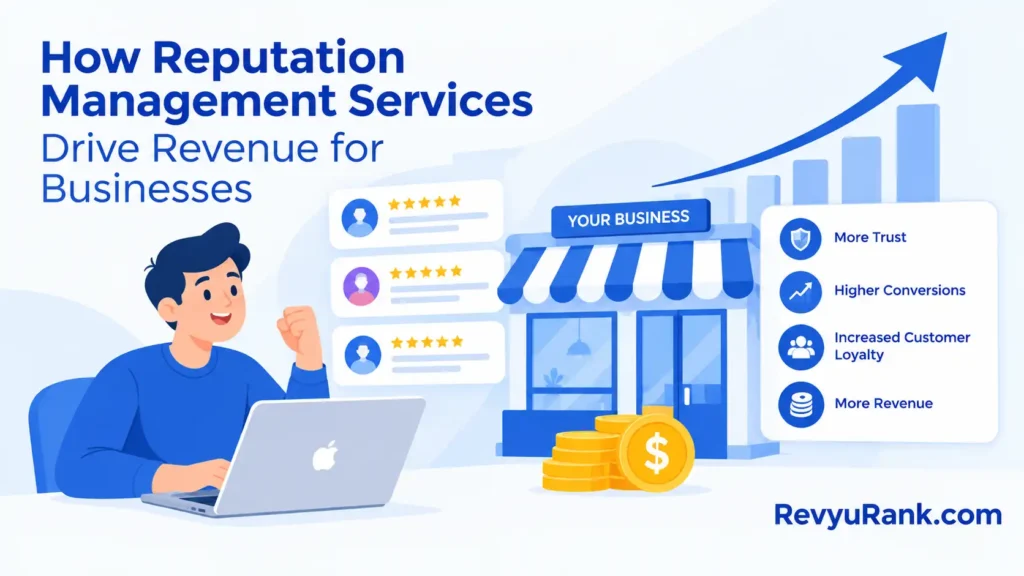
Reputation management services drive revenue by helping more customers find a business, trust it, and choose it. They collect useful feedback, improve public responses, and track changes in calls, visits, leads, and sales. The work connects customer opinions with the places where buying decisions happen.
What Reputation Management Services Include
Reputation management services can increase revenue through four linked actions: they improve visibility, build trust, recover unhappy customers, and show which changes bring results. The parts below work together, but each has a different job.
| Part or input | What it does | What you notice when it goes wrong |
|---|---|---|
| Review monitoring | Finds new customer feedback | Important comments get missed |
| Review requests | Invites honest customer feedback | Few fresh reviews appear |
| Response management | Answers praise and complaints | Customers see silence |
| Listing updates | Keeps business details accurate | Calls or visits go elsewhere |
| Sentiment analysis | Groups common customer themes | Repeated problems stay hidden |
| Revenue tracking | Connects actions with sales | Results remain unclear |
How Reputation Management Services Work
A useful program follows one cycle: find customer feedback, respond properly, improve the experience, and compare revenue signals before and after the change.
- Set a baseline: Record current ratings, review volume, website leads, calls, and sales for the latest complete month.
- Connect business listings: Add verified profiles and check names, addresses, phone numbers, and hours during the first setup.
- Monitor feedback: Collect new reviews and mentions daily or weekly, depending on the service plan and customer volume.
- Request honest reviews: Send one clear request after a completed purchase or service, using the channel customers already check.
- Respond promptly: Acknowledge positive comments and address complaints with a useful next step within the team’s normal response window.
- Fix repeated issues: Group similar complaints each week, then assign changes to the staff member who controls that process.
- Compare business results: Review leads, calls, visits, and sales after one complete reporting period, while noting seasonal or promotional changes.
Why Reputation Management Services Affect Revenue
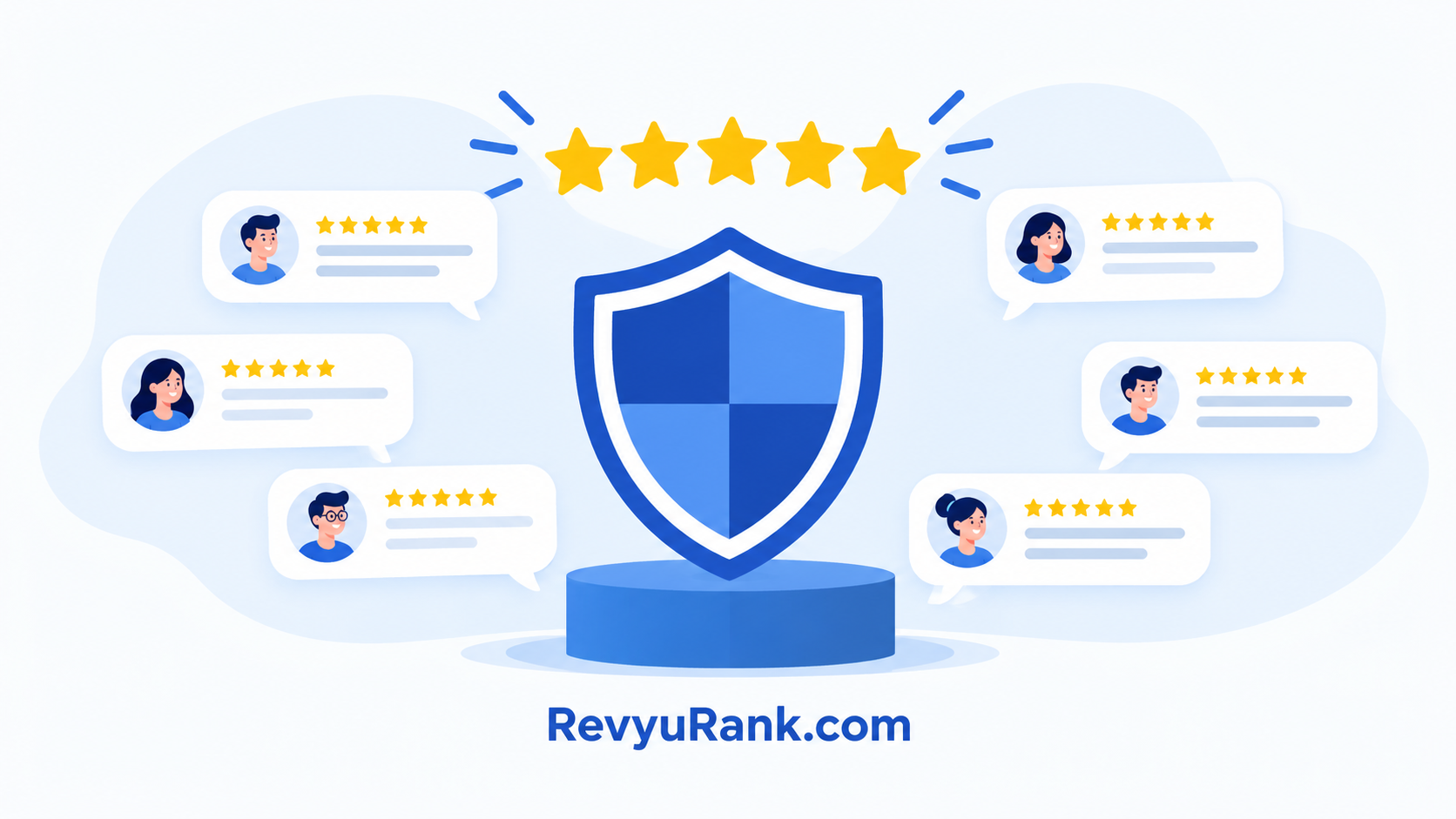
Customer feedback affects revenue because it appears close to the buying decision. A person comparing local providers may check ratings, recent comments, unanswered complaints, business details, and the owner’s tone before contacting anyone.
A weak response can make one problem look larger than it is. A clear reply can show that the business listens, although it won’t erase a genuine service failure. The strongest signal is often the operational fix that follows.
Revenue doesn’t come from reviews alone. It comes when better trust produces more qualified leads, and the business converts those leads well. Track that link instead of claiming every extra sale came from reputation work.
Review requests also need care. The FTC rule on fake reviews prohibits deceptive reviews and testimonials, so a service must seek honest feedback rather than manufacture praise.
What Reputation Management Services Can Change
The business can control its process, message, and follow-through, but it can’t control every customer reaction. Faster replies may protect trust, while deeper service fixes may take longer and cost more staff time.
Things you control
- Review request timing after completed service
- Reply tone, accuracy, and escalation
- Staff training for repeated complaints
- Listing details across business profiles
- Tracking leads and sales alongside review changes
Things fixed by design
- Customers may leave negative feedback
- Platforms set their own review rules
- Some complaints need refunds or service recovery
- Public ratings reflect more than one interaction
The result still varies with customer type, location, competition, and purchase value; find your exact figure from matched lead and sales records, not the rating alone.
This isn’t a good fit for a business that won’t fix repeated service problems or answer customers honestly. Paying for monitoring while ignoring the cause wastes the fee and can leave the public record looking even less credible.
A common costly mistake is asking only happy customers for positive reviews. That can violate platform rules, create a misleading picture, and divert attention from the complaints that are reducing repeat sales.
If a complaint involves threats, personal data, discrimination, or a legal dispute, stop public troubleshooting and send it to your manager, legal adviser, or the relevant platform team.
Habits That Improve Reputation Revenue
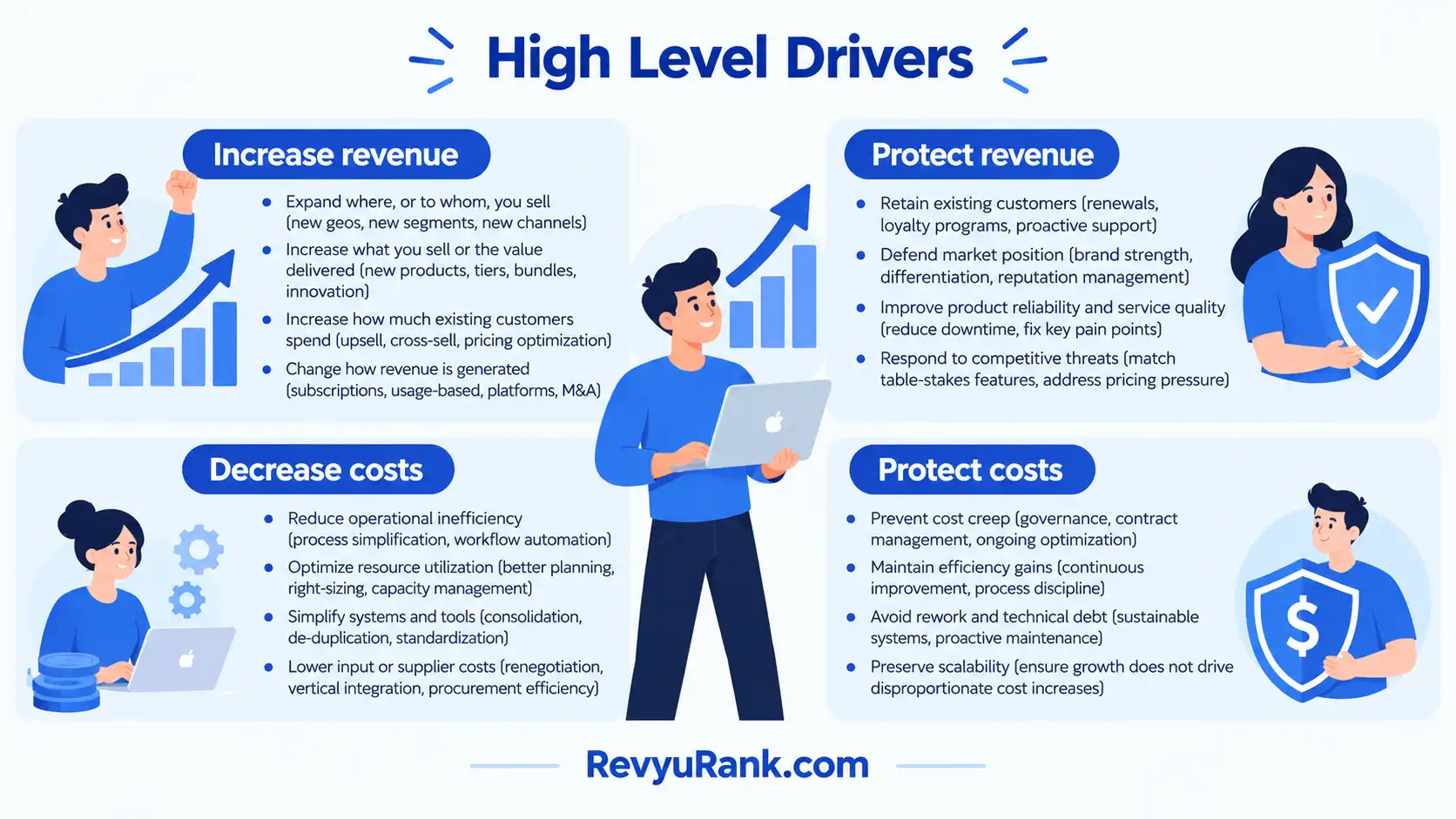
Good habits follow the system’s basic mechanics: fresh feedback needs a timely request, public trust needs a useful reply, and revenue needs a clean comparison.
- Ask once after delivery, not before the customer receives value.
- Use the same business details on every active listing.
- Review complaint themes weekly and assign each issue an owner.
- Measure calls, forms, visits, and sales by location when possible.
- Compare similar periods, since holidays and promotions can change demand.
Don’t judge success from star ratings alone. A higher rating with no lift in qualified leads may show better sentiment but weak visibility, poor follow-up, or an offer that doesn’t fit the market.
Frequently asked questions
Can reputation management services guarantee more sales?
No, they can’t guarantee sales. They can improve trust signals and expose customer problems, but demand, pricing, competition, service quality, and sales follow-up still decide whether extra attention becomes revenue.
Why do negative reviews affect revenue?
Negative reviews can reduce inquiries when they reveal unresolved problems or unanswered complaints. Their effect is stronger when buyers have several similar providers and little other information to compare.
How long does reputation management take to show results?
A first review-request cycle often takes 2–4 weeks for a business with regular customers, while measurable sales changes may need a full reporting period and enough comparable leads.
Is it safe to ask customers for reviews?
Yes, when the request is honest and doesn’t require a positive rating. Don’t offer rewards only for praise, write reviews for customers, or hide legitimate negative feedback.
What happens if a service posts fake reviews?
The business can face platform action, damaged trust, and regulatory problems. Fake praise also hides real service failures, so the short-term appearance can create longer-term revenue loss.
Does it matter how fast a business replies?
Yes. A prompt, specific reply shows attention while the complaint is still visible to potential buyers. A late response may still help, but it can’t change the first impression already formed.
Conclusion
The best revenue signal isn’t a perfect rating. It’s a clear link between honest feedback, better service, stronger customer trust, and more qualified business.

Robert Miller works as a Reputation Management Consultant. He has been helping U.S. businesses for over ten years. His work involves helping people protect and enhance their online image.Robert has worked with a wide range of companies. He has helped new businesses, local places that give a service, and big companies. He helps turn customer reviews into something that helps people trust their company and drives business growth.