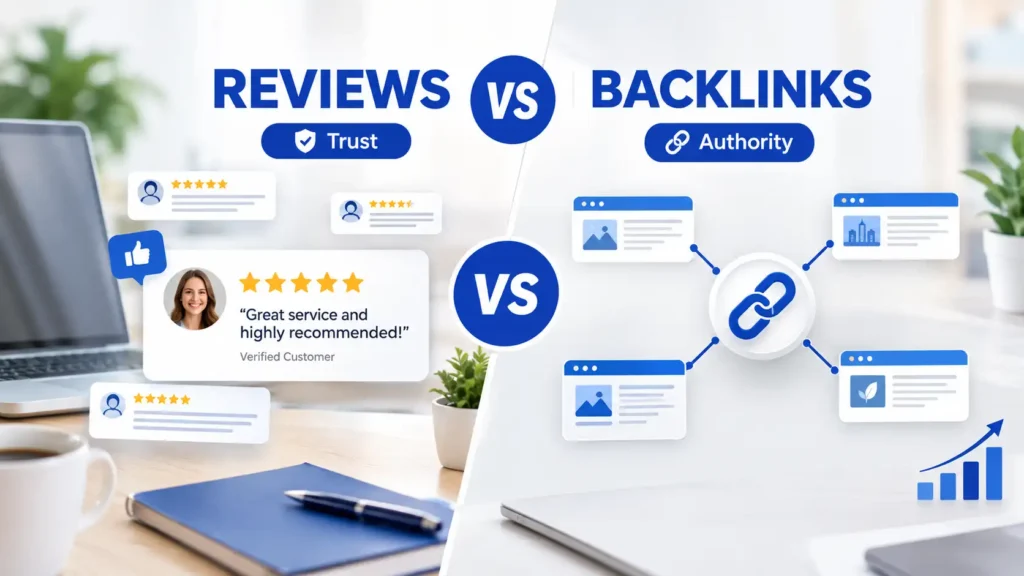
Reviews vs Backlinks: Which Is Better for SEO? The answer depends on your SEO goals. Backlinks and customer reviews serve different purposes, and neither should be treated as a universal replacement for the other. Backlinks can strengthen a website’s authority and help search engines discover and understand its reputation across the web, while genuine reviews can build customer trust, support local visibility, and provide valuable signals about a business or product.
For businesses competing in local search, reviews can be especially useful because customers often rely on ratings and review content when evaluating businesses. Google also supports review-related structured data for eligible content, although structured data does not guarantee that review stars or other rich results will appear in Search.
Backlinks remain an important part of a broader SEO strategy because links can connect your content with other relevant websites and help establish your site’s authority. However, quality matters more than simply collecting a large number of links. Relevant, editorially earned links from trustworthy websites are generally more useful than artificial or low-quality link-building tactics.
The most effective approach is therefore not reviews vs backlinks, but reviews + backlinks + high-quality content + strong technical SEO. Use authentic customer reviews to strengthen trust and local relevance, while earning relevant backlinks to improve your website’s authority and reach. Keep review markup accurate and visible on the page, and follow Google’s structured-data guidelines.
In short: Reviews can be particularly valuable for reputation and local customer decisions, while backlinks can contribute to broader website authority and organic visibility. Instead of choosing only one, businesses should build a sustainable SEO strategy that combines genuine reviews, relevant backlinks, useful content, and a strong overall website experience.
Understanding the Foundations of SEO: Backlinks vs Reviews
Search engine optimization depends on signals that help search engines judge credibility, relevance, and usefulness. Two of the most discussed signals are link building and online reviews. They may seem similar because both can improve visibility, but they work in very different ways. On-page SEO also plays a crucial role in local search by optimizing individual pages for specific keywords, ensuring that a website is relevant to local queries. While reviews and backlinks help build authority and trust, strong on-page SEO can directly affect how well a business ranks for local searches by improving content quality, site structure, and relevance.
Backlinks usually strengthen authority and support search rankings across wider search results. Reviews, on the other hand, show real customer experience and can influence trust, clicks, and local decisions. To see why both matter, let’s start with the basics and connect them to valuable content.
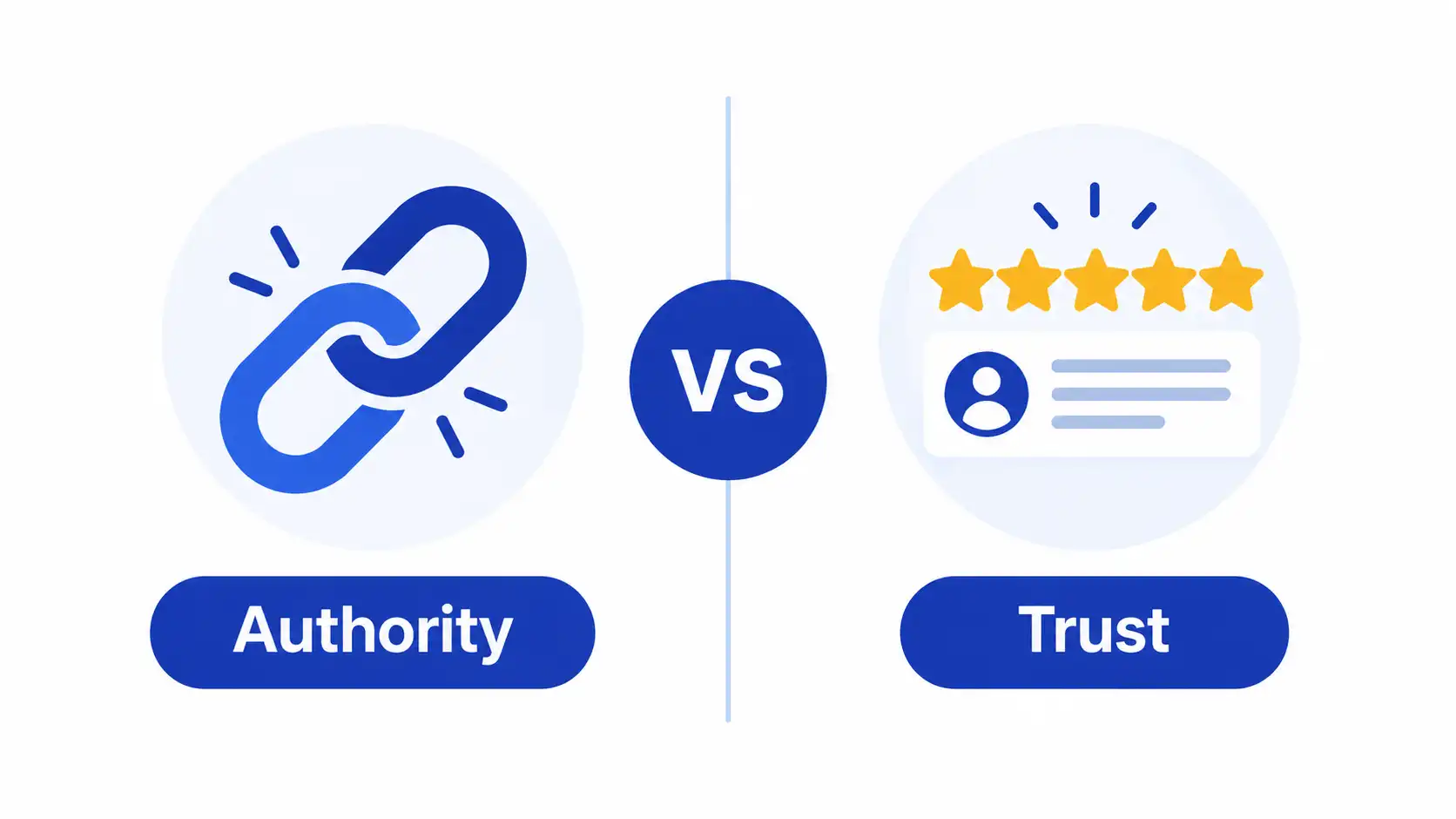
What Are Backlinks? How They Function as Authority Drivers
Backlinks are links from other websites that point to your website. In SEO, they act like a vote of confidence. When a trusted site links to you, search engines can read that as a sign that your page has useful or relevant content.
Still, not all backlinks carry the same value. Quality backlinks from local websites, news sites, community organizations, and business listings can strengthen domain authority and support website ranking. For local businesses, even fewer backlinks can make a big difference when those links send correct location signals.
That is one of the main differences between reviews and backlinks in SEO. Backlinks build authority at the site or page level through your link profile. Reviews do not work the same way. They focus more on customer trust, local visibility, and conversion behavior.
What Are Online Reviews? Why They Matter for Trust and Conversion
Online reviews are public comments customers leave about your business on platforms like Google Business Profile, Yelp, and Trustpilot. They often include star ratings, written feedback, and details about a completed job or service experience. For a local business, these reviews are powerful trust signals.
Unlike backlinks, customer reviews shape how people feel before they click or call. Positive reviews can increase trust, improve conversion, and make your online presence more appealing in local search results. They also help confirm that your business is active and serving real local customers.
So how do five-star Google reviews compare to backlinks? Reviews can influence fast decisions and local rankings, especially in map results. Backlinks still matter for authority, but reviews often have a more direct effect on whether someone chooses you today.
Backlinks: The Power Behind Domain Authority
Backlinks remain one of the strongest authority signals in SEO. When your site earns quality backlinks from relevant sources, search engines can view your pages as more credible. That can improve domain authority and help you compete in tougher search engine results.
At the same time, link building is rarely quick or easy. Earning links through community partnerships, local media, guest posts, and useful resources takes planning and persistence. To understand why backlinks still matter so much, it helps to look at how Google reads them.
How Google Uses Backlinks to Rank Websites
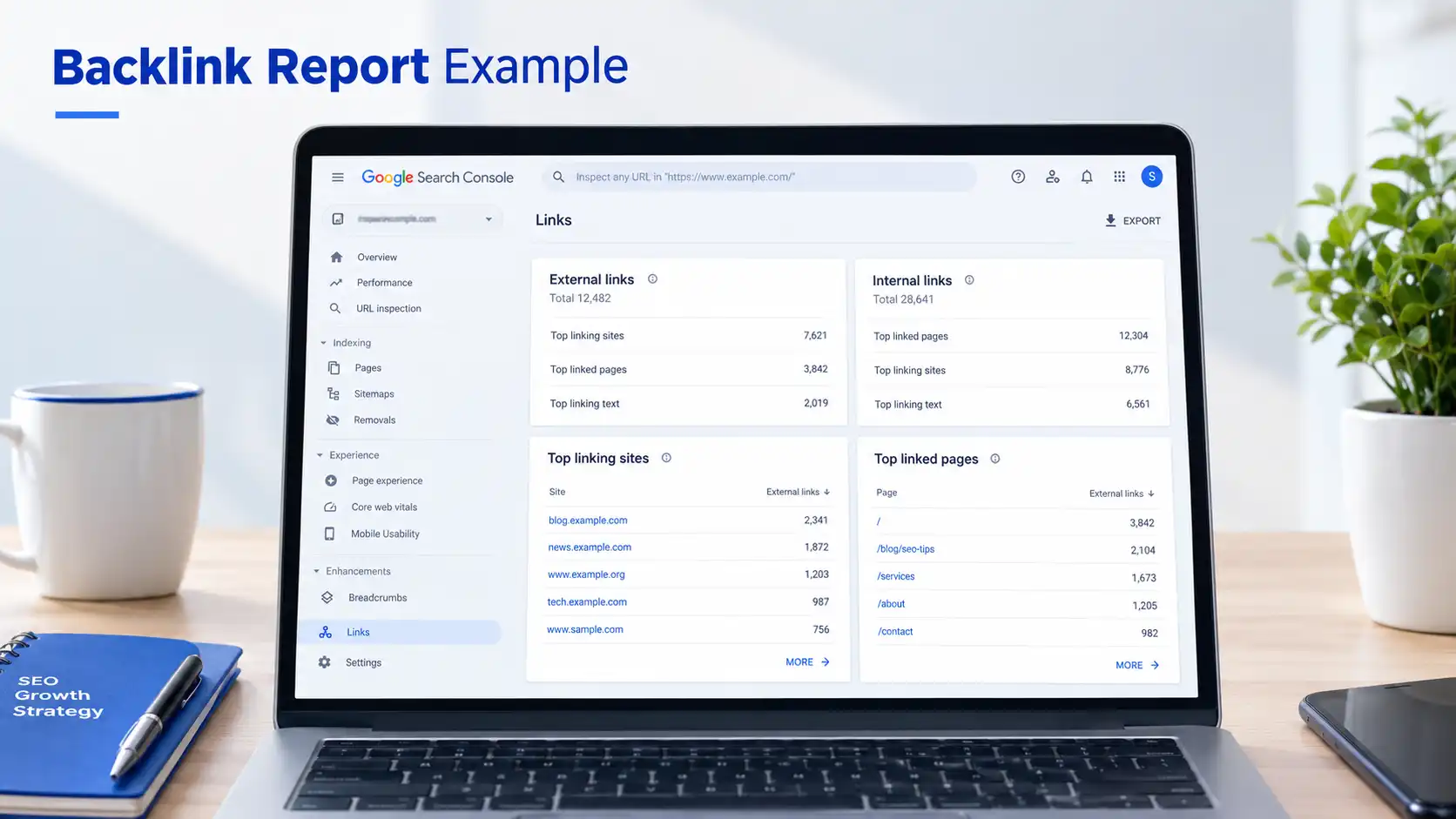
Search engines use backlinks to judge whether a website deserves visibility. If trusted websites point to your pages, that can help search engine rankings because those links suggest your content has value. Google does not treat all links equally, though. Relevance, location, and context matter.
For local SEO, a link from a chamber of commerce, local news site, or community blog can be more useful than a random high-authority site. Valuable backlinks can strengthen trust and also send geographic signals that support local search rankings.
Google looks at several link-building cues, including:
- The relevance of the linking site to your business and location
- The quality of the referring page, not just the number of backlinks
- The natural use of anchor text in the link
- Patterns in your overall link profile
Reviews matter too, but backlinks usually pass stronger authority signals than reviews do.
Pros and Cons of Building Backlinks for SEO
There is a reason backlinks stay at the center of many SEO campaigns. A strong link profile can improve rankings, increase organic traffic, and help your pages compete for broader searches. For local companies, even fewer backlinks may work when they come from highly relevant local sources.
But link building has trade-offs. Quality backlinks often require outreach, partnerships, sponsorships, or guest posts. That means time, relationship building, and steady effort. You cannot fully control when others decide to link.
Here are the main pros and cons:
- Pro: Relevant backlinks can lift visibility in organic search
- Pro: Local links can send strong geographic signals
- Con: Acquisition is slow and often resource-heavy
- Con: Low-quality links can weaken your link profile
- Con: Results are less immediate than reviews
For a local business website, reviews often deserve early attention, but backlinks should not be ignored.
Reviews: The Secret Weapon for Local SEO and Conversions
If backlinks are authority drivers, reviews are often the closer. In local seo, positive reviews can improve local rankings, attract customer clicks, and help your business stand out in crowded search results. They influence what people think before they ever visit your site.
That matters because local search is highly action-driven. People searching nearby often want a quick answer and a business they can trust. The next section explains how reviews support trust signals, E-E-A-T, and stronger performance in the local pack.
How Reviews Influence E-E-A-T and Local Pack Rankings
Reviews help search engines understand whether people trust your business in the real world. When customers leave detailed Google reviews about a completed job, they create signals around experience and trustworthiness. For local companies, that can support stronger local search rankings.
This is especially important in the local pack, where Google weighs location, relevance, and prominence. Reviews do not replace all other SEO work, but they heavily influence how trustworthy your business appears to both Google and searchers.
Key ways reviews help include:
- They show real customer experience and satisfaction
- They improve prominence signals for local pack visibility
- They encourage more engagement with your listing
So, are reviews or backlinks more important for improving local SEO rankings? For map-based and local intent searches, reviews often outperform backlinks. Backlinks still matter, but reviews usually have the stronger short-term local effect.
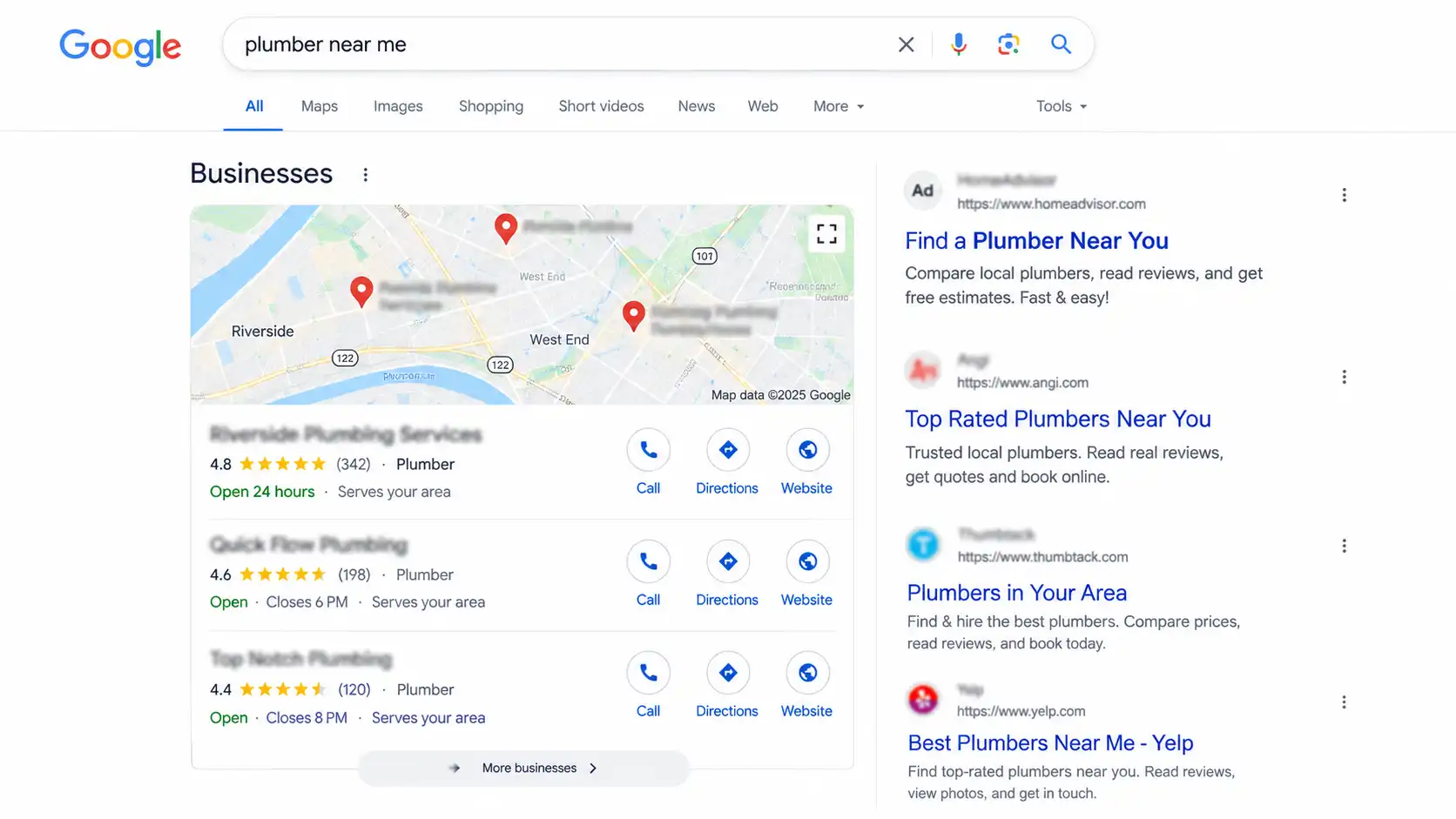
The Direct Impact of Reviews on User Behavior and Click-Through Rate
Reviews shape user behavior before a visitor ever lands on your website. People compare ratings, read customer reviews, and decide if your business feels reliable. That makes online reviews a direct factor in click-through rate, especially for local business owners competing in the same area.
A listing with stronger reviews can win attention even if another business has a better website ranking. Search rankings matter, but trust often decides the click. This is why reviews can affect both visibility and conversions at the same time.
They influence behavior in clear ways:
- More star ratings can improve click-through rate from search results
- Positive feedback can increase calls, visits, and customer clicks
- Recent reviews can make your listing feel active and dependable
On-page SEO still builds the foundation, but reviews and backlinks add the trust and authority that help local search perform better.
Reviews vs Backlinks: Key Differences and Metrics That Matter
Both signals matter, but they solve different problems. Backlinks support domain authority and broader search rankings. Reviews help a local business earn trust, improve local seo performance, and convert searchers who are ready to act.
That is why the better question is not which one is universally better. It is which one fits your goals, search intent, and market. A side-by-side comparison makes the difference easier to see, especially if you serve local customers or compete across larger markets.
Comparing Authority, Trust, and Conversion Power
In search engine optimization, backlinks and reviews work at different layers. Backlinks tend to improve domain authority and support search rankings across pages. Reviews focus more on trust, buyer confidence, and conversion. That makes them powerful in different moments of the customer journey.
For many businesses, backlinks help you get found, while reviews help you get chosen. Local brands usually feel the effect of reviews faster. Broader sites often depend more on links to compete at scale.
| Metric | Backlinks | Reviews |
| Primary Purpose | Authority and relevance | Trust and conversion |
| Speed of Results | Slower, long-term | Faster, often immediate |
| Control & Acquisition | Hard to control | Partially controllable through review requests |
| Best Fit | Broader search rankings, content visibility | Local SEO, map visibility, customer decisions |
| Main Impact | Domain authority | Trust and click behavior |
That is the core difference between reviews and backlinks in SEO.
Speed, Control, and Search Intent: Which to Prioritize for Your Business Model
Your business model should guide your priority. If you rely on nearby customers, reviews often deserve attention first because they affect search intent tied to local action. They are closer to direct control since you can ask happy customers to leave feedback after service.
Backlinks are still important, but they usually take longer to influence search results. They fit a broader search engine optimization plan where content, media mentions, and partnerships build authority over time. For ecommerce businesses or wider service areas, that long-term value becomes more important.
A simple way to decide:
- Local service business: start with reviews and citation accuracy, then add backlinks
- Broader content or ecommerce business: invest steadily in backlinks
- Most companies: use both, because trust and authority work together
If you own a local business website, reviews usually come first, but backlinks should follow.
Building a Balanced SEO Strategy with Both Backlinks and Reviews
The strongest SEO strategy does not force you to choose one signal forever. Search engines look for a mix of relevance, authority, and trust. That means local seo works best when valuable backlinks and positive reviews support each other.
Start with the basics first. Your site needs clear service pages, accurate business details, and a healthy review process. Then you can grow authority through community links, local media, and content that earns attention. Here is how to build that balance virtually.
Actionable Steps: Growing Backlinks and Generating High-Quality Reviews
A balanced approach starts with a solid foundation. Make sure your website has clear service breakdown pages, consistent contact details, and accurate business listings. Then create a simple system that asks happy customers for Google reviews after a completed job.
Next, build authority over time through link building. Focus on local websites, community partnerships, and useful resources that deserve attention. This is a slower process than review generation, but it adds staying power to your visibility.
Practical steps include:
- Optimize your Google Business Profile and keep your phone number and email address accurate
- Ask satisfied customers for online reviews consistently
- Pursue local directories, chamber listings, and other business listings
- Use guest blogging or guest posts on relevant local websites
- Create community-focused content that earns mentions and links
To improve both areas, review your presence regularly and compare it with local competitors.
Managing Brand Reputation: Monitoring Reviews and Auditing Backlinks
Once your strategy is running, you need ongoing maintenance. Brand reputation can shift quickly if reviews go unanswered or harmful links collect in your profile. Monitoring reviews and auditing backlinks helps you protect the gains you worked hard to build.
Keep an eye on your Google My Business profile, review sites, and social media mentions. At the same time, use SEO tools to look at your referring domains, broken links, and competitor backlink sources. This shows what is helping and what needs attention.
Your monitoring routine should include:
- Responding to positive and negative reviews professionally
- Checking for citation consistency across listings
- Auditing backlinks for relevance, quality, and broken opportunities
- Tracking referral traffic, calls, and local visibility trends
That combination helps you improve trust, strengthen authority, and make smarter SEO decisions over time.
Frequently Asked Questions
Q: Can Reviews Ever Replace the Value of Backlinks in SEO?
A: Online reviews cannot fully replace backlinks in a complete SEO strategy. For local seo, reviews may drive faster trust and map visibility, but backlinks still support broader search engine optimization by building authority. The best approach is to use reviews for conversion and backlinks for long-term reach.
Q: Is It Possible to Use Customer Testimonials and Reviews to Generate Backlinks?
A: Yes. Customer reviews and testimonials can lead to backlinks when they become valuable content, case studies, or community stories. A satisfied client may mention your business on their site, or you can turn success stories into guest blogging ideas that earn natural links and strengthen your SEO.
Q: How Do I Audit and Improve Both My Backlinks and Reviews for Better SEO?
A: Start by auditing backlinks with SEO tools to review your link profile, broken links, and weak sources. Then check online reviews across Google My Business and major platforms for quality, recency, and response rate. This combined SEO strategy helps improve authority, trust, and local visibility.
Conclusion
In summary, understanding the relationship between backlinks and reviews is essential for optimizing your SEO strategy. Backlinks serve as authoritative endorsements from other sites, boosting your domain credibility, while reviews enhance trust and drive conversions, especially in local search scenarios. Balancing both elements can significantly impact your online presence, helping you achieve better rankings and increased customer engagement.
As you navigate the complexities of SEO, ensure that your efforts are aligned with your business model’s needs. If you’re ready to take your SEO strategy to the next level, get a free consultation with our experts to explore how you can effectively leverage both backlinks and reviews for maximum impact.

Robert Miller works as a Reputation Management Consultant. He has been helping U.S. businesses for over ten years. His work involves helping people protect and enhance their online image.Robert has worked with a wide range of companies. He has helped new businesses, local places that give a service, and big companies. He helps turn customer reviews into something that helps people trust their company and drives business growth.