G2, Capterra, TrustRadius, Gartner Peer Insights, Software Advice, and GetApp are essential software review platforms for comparing business tools. They all collect user opinions about software, but they differ in audience, review depth, company coverage, and how much guidance they give before you choose a product.
Software review platforms compared
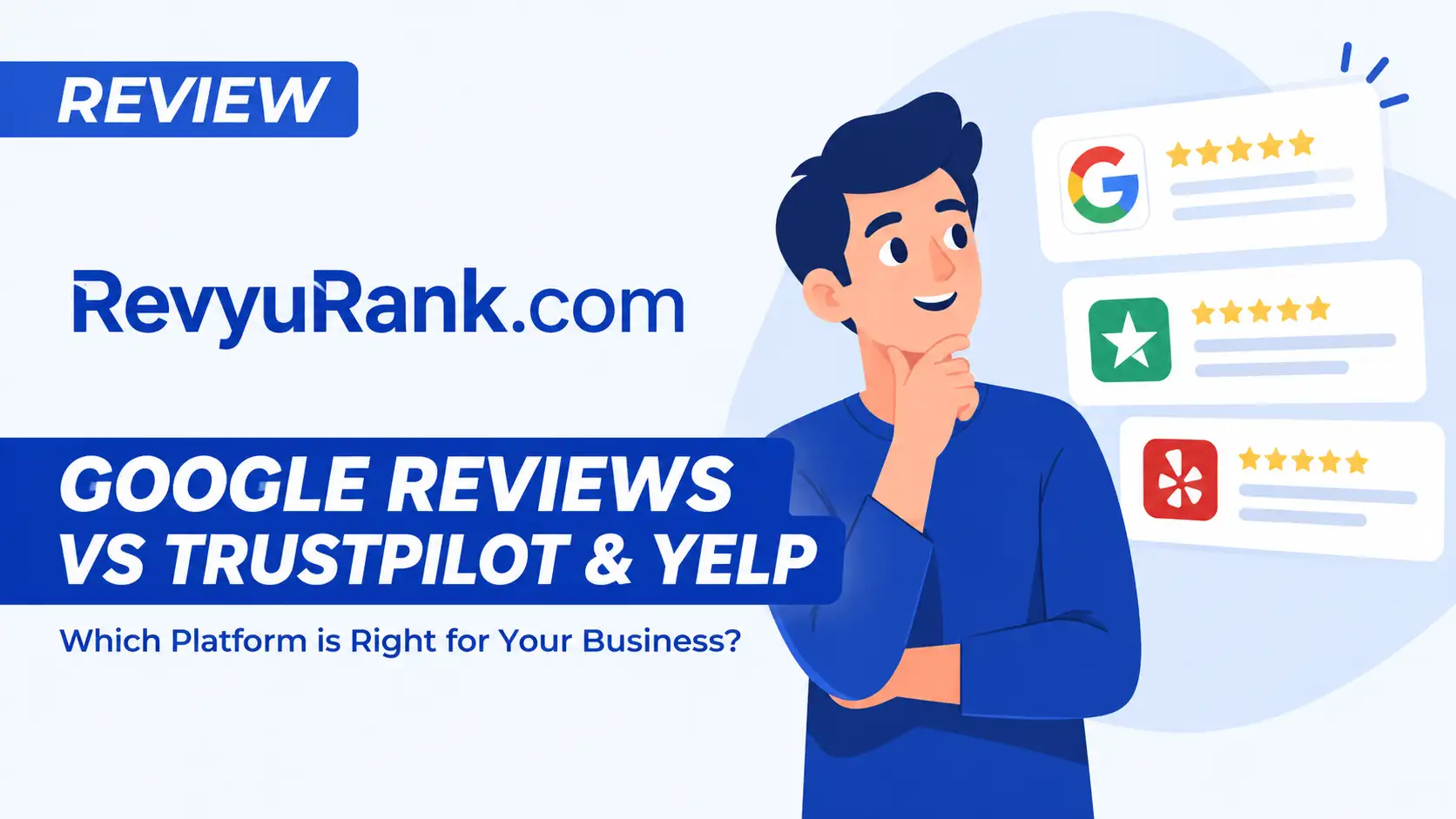
These platforms help you compare software before a trial, demo, or purchase. The table shows the main use of each one and a familiar example.
| Platform | Best for | Recognizable example |
|---|---|---|
| G2 | Broad software comparisons | CRM category pages |
| Capterra | Small business research | Accounting software listings |
| TrustRadius | Detailed buyer research | Project management reviews |
| Gartner Peer Insights | Enterprise technology | Cloud infrastructure reviews |
| Software Advice | Guided software selection | Scheduling software calls |
| GetApp | App discovery | Marketing app collections |
G2
G2 is a broad software review platform with user ratings, written reviews, comparison pages, and category reports. It suits teams that want to compare several products quickly, especially across popular business categories.
- Compare products inside one software category
- Read positive and negative user experiences
- Check feature, industry, and company-size filters
- Find alternatives to a familiar product
G2 works best when you already know the software category and need a wide starting list. It isn’t ideal as your only source for a niche product with very few reviews.
Capterra
Capterra is useful for practical software shopping, especially when a small business needs to narrow a long list. It stands out by organizing products around business functions, industries, features, and common buying questions.
- Find tools for a specific business task
- Compare software by features and use cases
- Review options for small and midsize companies
- Build a first shortlist before requesting demos
Capterra suits buyers who want a simple route from “I need this function” to “these products may fit.” Product pages can help with discovery, but you should still confirm current features on each vendor’s official page.
TrustRadius
TrustRadius focuses on detailed user reviews and research for business software. It suits buyers who want more context about implementation, support, integrations, and the difference between similar products.
- Read longer accounts of real software use
- Compare strengths and weaknesses by role
- Study implementation and support experiences
- Check whether a product fits a larger team
TrustRadius is a better choice than a quick star-rating page when your team needs to understand how software works after purchase, although detailed reviews take longer to read and compare.
Gartner Peer Insights
Gartner Peer Insights is aimed more at enterprise technology buyers than casual app shoppers. It helps technology teams study peer opinions about complex products, vendors, and enterprise use cases.
- Compare enterprise technology vendors
- Read reviews from business and technology users
- Study products with complex buying decisions
- Support a formal shortlist or procurement process
Its enterprise focus means it isn’t the best fit for a freelancer choosing a simple personal app.
Software Advice
Software Advice helps buyers find business software by matching needs with possible products. It suits people who want guided help instead of searching through a large catalog alone.
- Turn business needs into software options
- Explore products by industry and function
- Get help creating an initial shortlist
- Compare tools before contacting vendors
The platform is useful when you know the problem but not the software category. It may be less useful when your team already has strict technical requirements and wants independent product testing.
Other software review platforms
Several additional platforms can help with specific research needs:
- GetApp helps small businesses discover apps by category, feature, and use case.
- SourceForge suits technical buyers comparing open-source and commercial software options.
- Product Hunt is useful for finding newer software, but it offers less structured buyer research.
How to choose software review platforms
Start with your buying stage, company size, and decision risk.
Your available time also matters. If you have only a short research window, begin with category filters and ratings; if you can read deeply, compare written reviews across TrustRadius and G2.
A common mistake is choosing the highest star score without checking review dates, company size, or the exact use case. That can send you toward a poor fit and cost time in demos, trials, migration work, or cancellation fees.
The useful signal varies by software category, review date, company size, and review volume, so read your value from repeated comments that match your team’s actual needs.
Frequently asked questions
Can software review platforms be trusted?
They can support research, but they shouldn’t decide alone. Check several written reviews, look for repeated patterns, confirm the review date, and verify important features in the vendor’s current documentation.
Why do software ratings differ between platforms?
Ratings differ because platforms attract different users, categories, review volumes, and company sizes. A tool may score well with small teams but receive more mixed feedback from enterprise customers.
How long do software reviews stay useful?
A review has no fixed useful life. Its value depends on the review date, product changes, and whether the writer’s company size and use case match yours.
Is it safe to choose software from one review site?
No, not by itself. Use review sites to build a shortlist, then check security details, contracts, integrations, pricing, support terms, and current product documentation directly with the vendor.
What happens if a software product has very few reviews?
Treat the rating as weak evidence and research more widely. Request a demo, ask for relevant customer references, test the product when possible, and check independent discussion from your industry.
Does review volume matter when choosing software?
Yes, but it isn’t everything. A large review count can show broader feedback, while a smaller set may still help if the reviews closely match your industry, team size, and software needs.
Can review platforms replace a software demo?
No. Reviews can reveal common experiences, but a demo or trial shows whether the product fits your workflow, data needs, permissions, integrations, and user skill level.
How to use software review platforms
Begin with Capterra or G2 to create a shortlist, then read detailed reviews on TrustRadius or Gartner Peer Insights when the purchase carries higher risk. A strong match sounds specific in repeated reviews; stop and ask the vendor for help if security, data access, or contract terms remain unclear.

Robert Miller works as a Reputation Management Consultant. He has been helping U.S. businesses for over ten years. His work involves helping people protect and enhance their online image.Robert has worked with a wide range of companies. He has helped new businesses, local places that give a service, and big companies. He helps turn customer reviews into something that helps people trust their company and drives business growth.