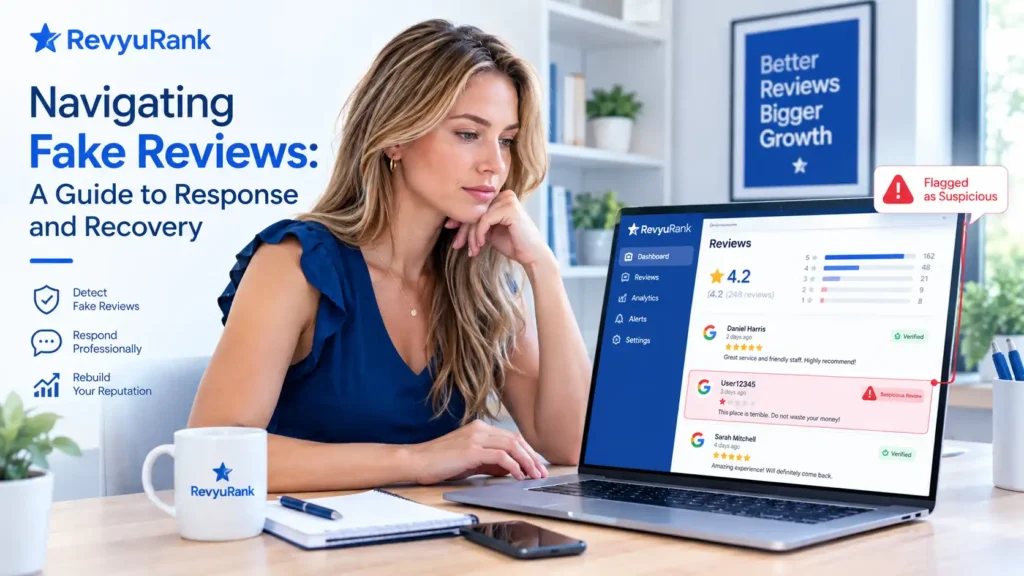
Fake reviews can damage a business’s online reputation, customer trust, and credibility—but a thoughtful response and recovery strategy can help minimize their impact. Navigating Fake Reviews: A Guide to Response and Recovery explains how businesses can identify suspicious reviews, respond professionally, document potential violations, and use the appropriate platform reporting process when a review appears to be fake, misleading, or unrelated to a genuine customer experience.
The best approach is not to attack the reviewer or immediately assume every negative review is fake. Instead, businesses should look for warning signs such as unusual review patterns, vague or unverifiable claims, duplicate content, reviews that don’t match business records, or suspicious bursts of activity. When responding publicly, keep the message calm, factual, concise, and customer-focused.
Recovery also requires rebuilding genuine trust. Encourage authentic customers to share honest feedback, monitor review platforms consistently, address legitimate complaints, and improve the customer experience behind the ratings. Businesses should never create or purchase deceptive reviews to counter fake ones, as this can create additional reputation and platform-policy risks.
Identifying Fake Reviews: Signs and Impact on Your Business
Fake reviews are misleading consumer reviews written without a real customer experience. They may come from paid writers, bots, or rivals trying to bury your business in bad reviews. In a vast sea of apparent customer feedback, that can be hard to catch.
Compiled information notes that nearly 30% of reviews may be false, which shows how common deceptive practices have become. A fake negative review can trigger negative sentiment in a short period, weaken trust in your product reviews, and drown out genuine feedback. Knowing the signs is the first step.
Common Red Flags and Warning Signs to Watch For
When you ask, “How can I spot fake reviews when shopping online?” start with the writing itself. In the vast sea of apparent customer feedback, false posts often sound extreme, thin, or strangely repetitive. A positive-sounding fake review may praise everything, while a fake complaint may attack without naming real issues.
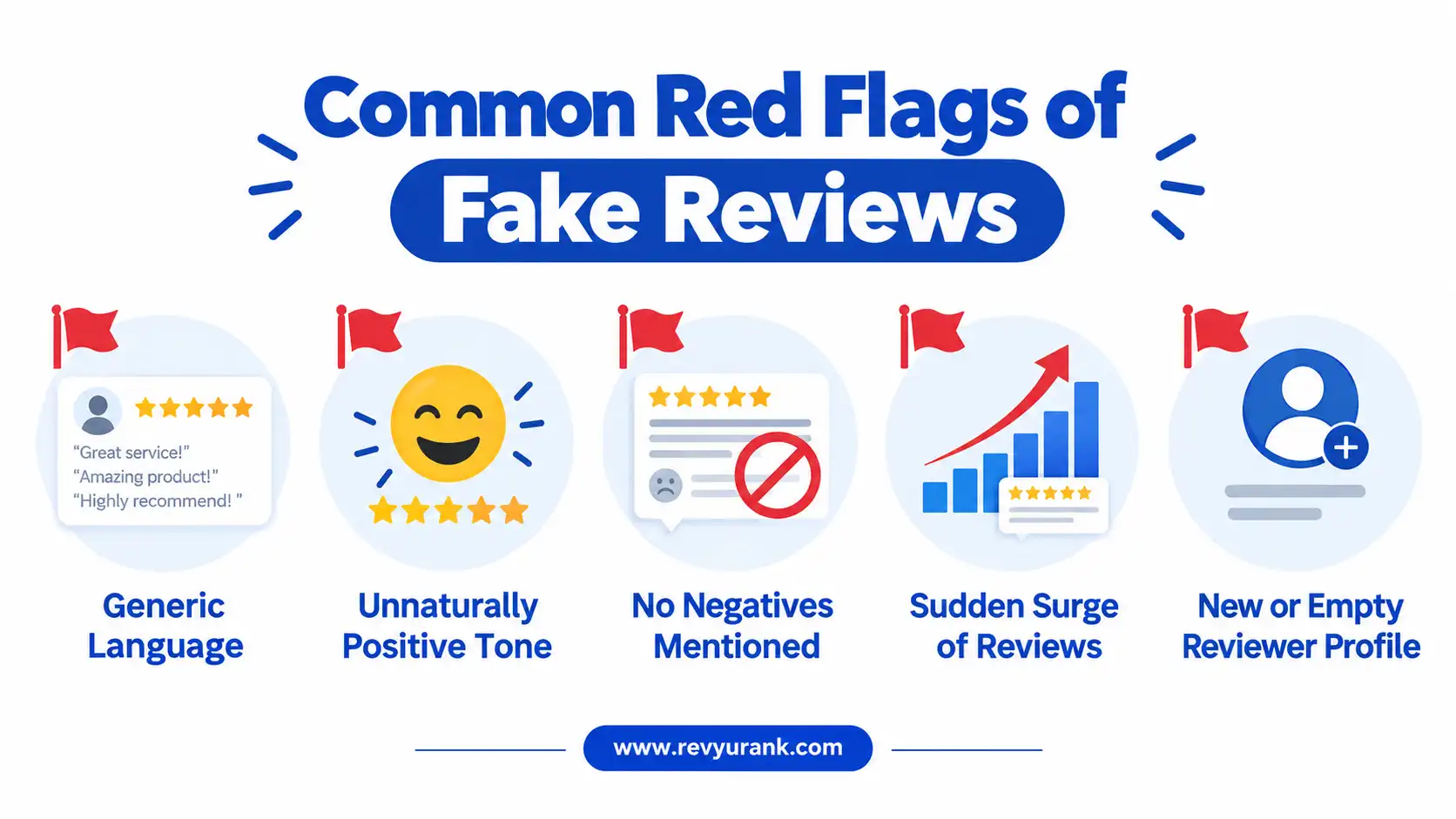
Look for these red flags:
- Generic language with few specific details
- An overly positive review that sounds unnatural
- No mention of negative aspects of the product
- A sudden surge of reviews in a short period of time
- Reviewer profiles with limited history or odd activity
You should also check the source of information. Genuine reviewers usually describe a reviewer’s unique experience, while suspicious accounts may post lots of reviews across unrelated categories. If the pattern feels off, trust that instinct and investigate further.
Why Fake Reviews Appear: Motives Behind Negative Feedback
Fake reviews appear for several reasons, and the motives are not always simple. Some businesses want a dishonest boost from a fake positive review. Others try to damage a rival with fake negative reviews that create doubt before a customer ever visits your business’s public profile.
At times, competitors post harmful comments to pull attention away from your brand. In other cases, disgruntled customers or former insiders may act out of anger, even if their claims are exaggerated or false. Some posts are created for financial interest by paid writers, review farms, or bots.
This matters because false consumer reviews can shape negative sentiment quickly. With fake activity estimated at a meaningful share of major review ecosystems, businesses need to assume the risk is real. Once you understand those ulterior motives, your response can be calmer and more effective.
Responding to Fake Reviews: Immediate Steps and Platform Policies
If your business receives a fake negative review, act fast but stay organized. Start by checking whether the post appears to break platform policies. Deceptive reviews can harm your business’s public profile across search engines and social media, especially if they spread in a short period.
Most major platforms review flagged content and may remove posts that violate their rules. That process matters because the credibility of the platform depends on limiting abuse. Your next steps should focus on reporting correctly and gathering proof that supports your claim.
Reporting Fake Reviews on Google and Other Major Platforms
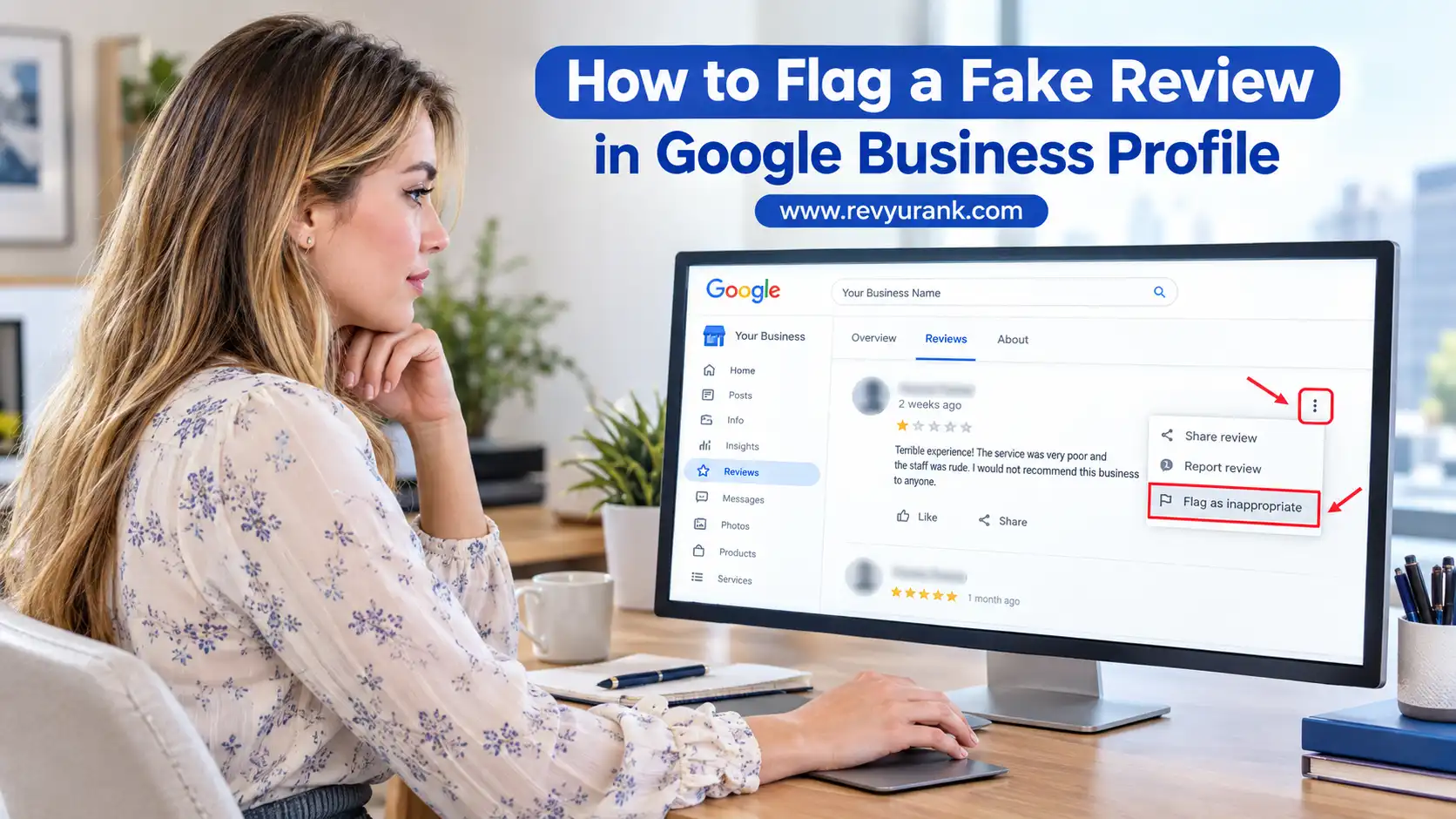
Google is a major place to start because a large share of online reviews appear there. If you suspect fake reviews, sign in to your account, open your Google Business Profile, go to Reviews, find the post, and select the option to flag it as inappropriate. Google then reviews it against platform policies.
If no action happens after a few days, check the status through support resources or raise the issue with Google support. Other major platforms also rely on user reports, automated systems, and internal review teams to protect the business’s public profile and trust across search engines.
| Platform step | What to do |
| Review identification | Locate the suspicious review and compare it against platform policies |
| Initial report | Use the built-in flagging or reporting tool on Google or other major platforms |
| Evidence support | Note repeated phrases, strange timing, or account behavior tied to fake reviews |
| Follow-up action | Check the report status and contact support if nothing changes after a few days |
Documenting Evidence and Exploring Legal Remedies for Brand Protection
Before you escalate anything, collect clear evidence. Save screenshots, dates, usernames, and any unusual timing patterns. If several reviews appear in a short period, that record can strengthen your case. Good documentation supports both platform reports and any later discussions about brand protection.
You should focus on details such as:
- Repeated wording or similar language across multiple posts
- Suspicious timing, including clusters published in a short period
- Reviewer profiles with little history or unrelated activity
There are legal remedies in serious cases. The compiled information states that fake reviews may violate consumer protection law and can be reported to the Federal Trade Commission as deceptive practices. For extreme situations involving extortion or serious falsehoods, businesses may also explore legal action. Use that route carefully and only when the evidence is strong.
Frequently Asked Questions
Q: How can I spot fake reviews when shopping or managing a business online?
A: Look for fake reviews that use vague claims, extreme praise or criticism, and little detail about the experience. Also check the reviewer’s credentials, profile history, and the source of the information. If many similar posts appear in a short period, that is a strong warning sign.
Q: What legal options do businesses have to address fake reviews?
A: Businesses can document deceptive reviews, report them to the platform, and in some cases file a complaint with the Federal Trade Commission. If false posts harm a business’s public profile in a short period and the evidence is strong, legal remedies may also be considered for serious misconduct.
Q: Can AI tools help identify fake online reviews?
A: Yes, AI tools can help flag suspicious patterns in consumer reviews, such as repeated language or unusual posting behavior. The compiled information notes that artificial intelligence is used on some platforms, though results vary. These tools can support monitoring, but human review still matters for fake reviews on search engines.
Conclusion
In conclusion, navigating the world of fake reviews requires a proactive and strategic approach. By identifying the signs of fake feedback and understanding the motives behind them, businesses can effectively safeguard their reputation. Responding to these reviews promptly and professionally not only mitigates potential damage but also demonstrates your commitment to customer satisfaction. Remember, transparency and prompt action are key in building a robust online presence. If you’re looking for tailored strategies to protect your brand, consider reaching out for a free consultation. Your reputation deserves the best defense!

Robert Miller works as a Reputation Management Consultant. He has been helping U.S. businesses for over ten years. His work involves helping people protect and enhance their online image.Robert has worked with a wide range of companies. He has helped new businesses, local places that give a service, and big companies. He helps turn customer reviews into something that helps people trust their company and drives business growth.