Struggling to get more local customers? Your local landing pages might be the missing piece.
Just having a page isn’t enough. You need to make it speak directly to your community. Imagine your website as a friendly neighbor inviting people in. That’s what good local landing pages do—they make visitors feel understood and ready to choose you.
Here are some easy, effective tips to help your pages work harder and bring in more local visitors.
Pick the Right Local Keywords
Think about the words your neighbors use when searching. Using the right local keywords helps your page show up when nearby folks look for your services.
- Find neighborhood names and landmarks. These get you in front of people searching close by.
- Use tools like Google Keyword Planner. They help spot popular local phrases.
- Add city or area names. For example, “coffee shop in Midtown” or “electrician near Main Street.”
Write Unique Content That Feels Local
Copying generic text? Skip it. Your page should tell your story and what you offer in the local area.
Keep it simple and clear. Use words your customers actually use. Update your page often to show you’re active and ready to help.
Show Off Your Local Services
Be clear about what you offer and where. Mention neighborhoods or towns you serve. Explain how you help local people. Little details make a big difference.
Use Customer Reviews
Nothing beats real feedback from nearby customers. Short testimonials that mention your service and location build trust fast.
Optimize Your Meta Tags
Meta tags might sound technical, but they’re just the title and description people see in search results.
- Keep titles under 60 characters. Start with your main local keyword.
- Write clear, specific titles. For example, “Best Pizza in Austin – Joe’s Pizzeria” tells people exactly what to expect.
- Meta descriptions should be 150-160 characters. Use action words like “Visit,” “Try,” or “Order.”
- Include local details. Like “Fresh pizza in downtown Austin. Order now!”
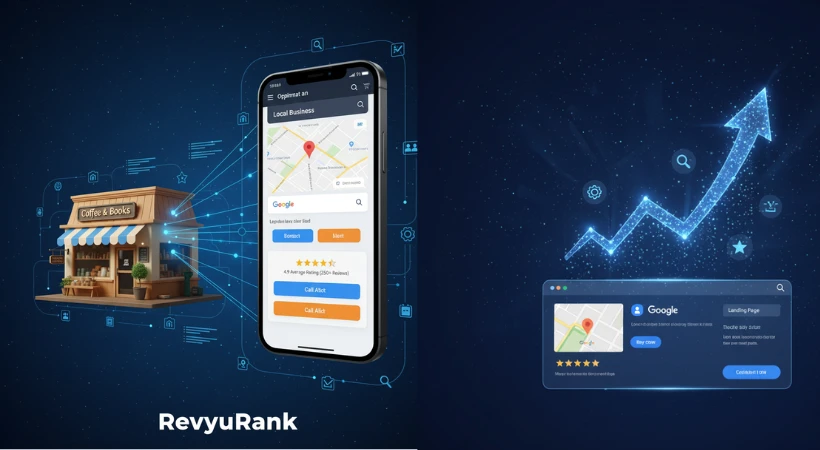
Claim and Optimize Your Google My Business
This is a must-do. It puts your business on the map—literally. Add photos, your hours, and respond to reviews. Keep it fresh and accurate.
Keep Your NAP Consistent
NAP means Name, Address, and Phone number. Use the exact same info everywhere online. Search engines like consistency—it helps them trust your business.
Add Local Structured Data (Schema Markup)
This sounds fancy but it’s just code that tells search engines exactly where you are and what you do.
It can help your page show star ratings, contact info, and more in search results. More visibility means more clicks.
Speed Up Your Page
Slow pages lose visitors. Here’s what you can do:
- Compress images. Use tools like TinyPNG to shrink file sizes.
- Minify your code. Cut out extra spaces and comments.
Get Local Backlinks
Links from other local sites tell search engines you’re part of the community.
- Partner with nearby businesses. Exchange links or sponsor events.
- Join local forums and blogs. Share helpful info and get noticed.
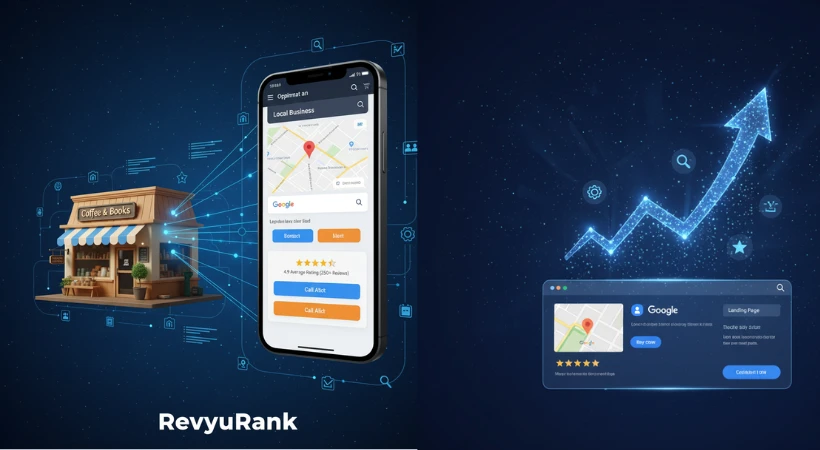
Use Clear Calls to Action
Tell visitors what to do next. Make it easy and obvious.
- Encourage phone calls. Put a clickable phone number at the top.
- Promote online bookings. Use clear buttons like “Book Your Appointment.”
FAQs
What is a local landing page?
A page designed to attract customers from a specific area.
Why optimize local landing pages?
To get noticed by nearby customers and improve search rankings.
How do I pick local keywords?
Use words your local customers search for, including your city or neighborhood.
Why is NAP consistency important?
It helps search engines trust your business info and improves rankings.
How important is mobile-friendliness?
Very. Most local searches happen on phones, so your page must work well on mobile.
Should I add customer reviews?
Yes. Reviews build trust and encourage clicks.
How do images help?
Good images grab attention and show your local presence.
How to track success?
Use Google Analytics and Search Console to see how people find and use your page.
Final Thoughts
Optimizing your local landing pages doesn’t have to be complicated. Focus on clear, local keywords, honest content, and easy ways for customers to reach you.
Keep your info consistent and your page fast. Add reviews to build trust. And don’t forget to stay active online.
Small improvements add up. Keep testing and tweaking to see what works best for your business.

Olivia Brown helps businesses grow by looking at data. She works as a Marketing Analyst. Olivia studies how people act, what they say in reviews, and how well SEO is working. She does this to help brands utilize their money in the most effective way.At RevyuRank, Olivia works to measure how Google reviews change a brand’s name, how often people buy, and how loyal customers stay. Her work is full of data, but she also shares clear stories so brands know what the numbers mean. Olivia helps both new and established companies achieve better results for their investment.When she is not working, Olivia enjoys experimenting with AI tools, leading workshops for young analysts, and exploring nature trails.