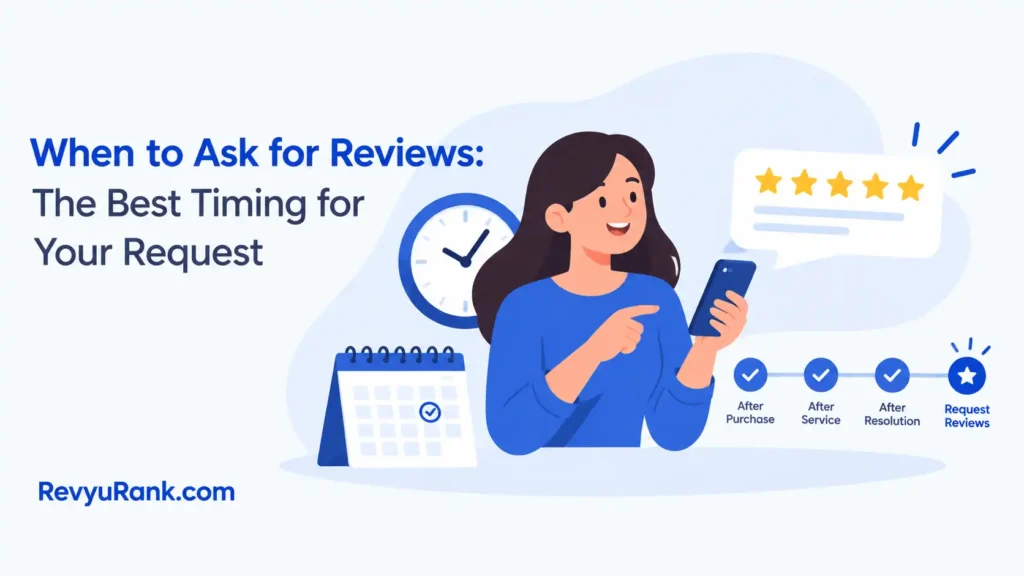
Ask for reviews right after the customer has received and used your product, or after you’ve completed the service. Ask while the experience is still fresh, but don’t pressure the customer or request a positive rating. A short email, text, or receipt message works well. If there’s an unresolved problem, fix it first and wait until the case is closed.
The quality of the customer’s experience decides the timing more than the calendar does. A buyer who has just opened a package may need days to judge it, while a client who received a finished service may know their answer that same day.
The common mistake is asking too early, such as immediately after payment or before delivery. That can produce a review based on a promise rather than the real experience. It can also create extra support work when the customer discovers a problem after submitting feedback.
Ask after the customer gets value
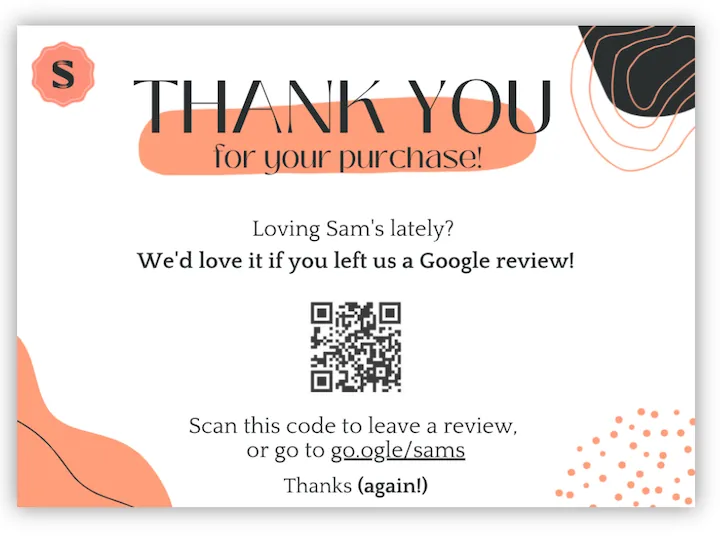
Use this simple process to choose the right moment and send a fair request.
-
Choose the proof point before writing the message. For a physical product, wait until the customer has had enough time to receive and use it; for a service, wait until the agreed work is finished and the customer can judge the result.
-
Check for open problems before asking. Confirm that delivery, setup, billing, returns, or support issues aren’t still active. If an issue is open, help with that issue first and request feedback after it’s resolved.
-
Set the delay around the product or service. Ask on the same day for a simple appointment or completed repair, after several days for an easy-to-use item, and after a longer use period for products whose value takes time to assess.
Tip: Don’t use one automatic delay for every offer. A customer can review a haircut quickly, but may need time to judge a mattress, software plan, or appliance.
-
Send one clear request through a channel the customer already uses. Name the purchase or service, explain that an honest review is welcome, and provide one direct review link or clear instruction.
-
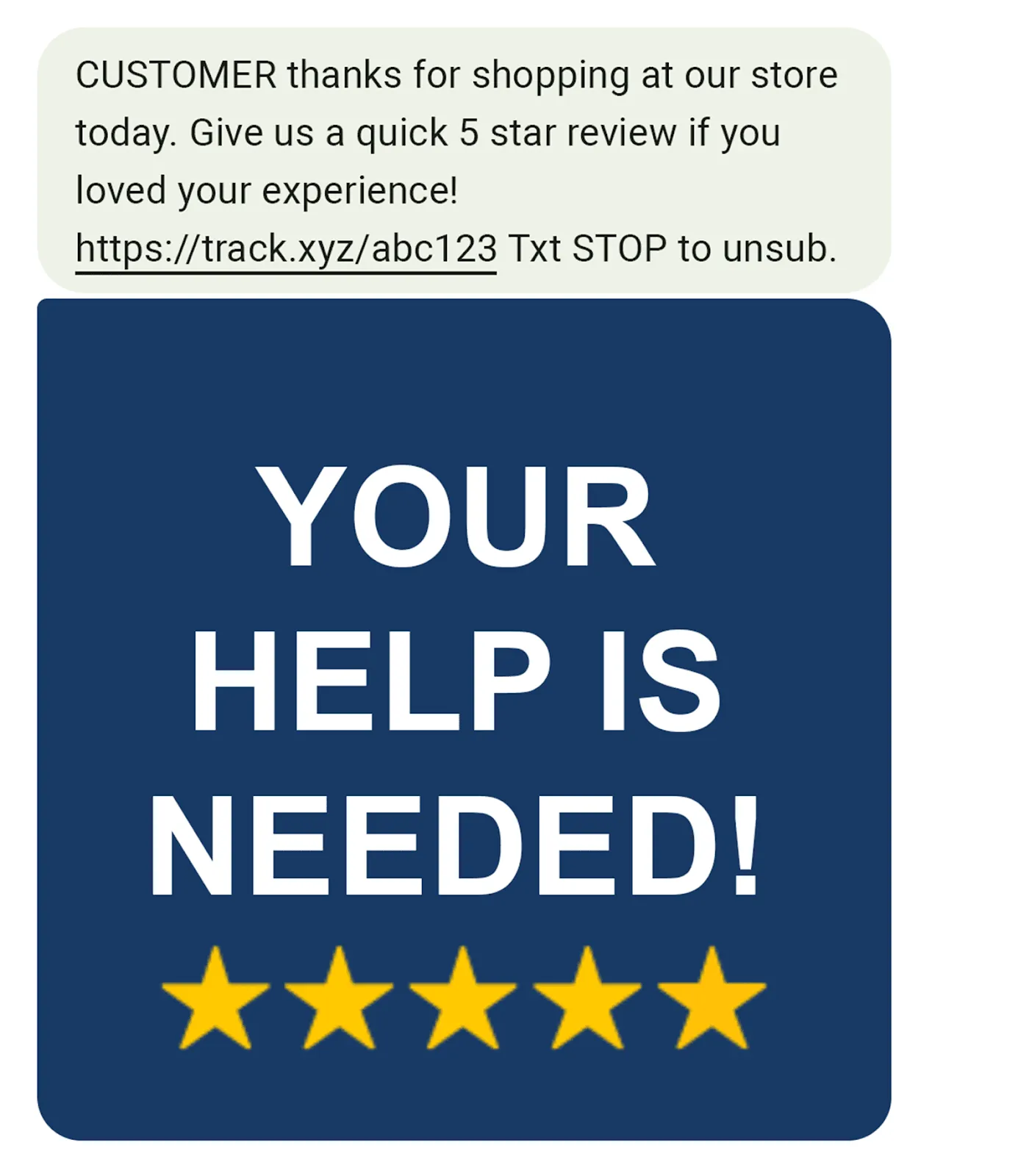
Ask every eligible customer consistently rather than choosing only people you expect to be happy. Don’t ask for a five-star review, offer a reward only for a good rating, or tell customers what words to use.
-
Send one gentle reminder if your process allows it. Leave a reasonable gap so the reminder doesn’t feel like pressure, and stop after the customer has responded or declined.
-
Read the feedback and act on it instead of treating the request as the final step. Route a private support problem to your team, and use repeated public comments to improve the product or service.
The Federal Trade Commission prohibits certain deceptive review practices, including fake reviews and review manipulation; its consumer reviews rule explains the restrictions. If your promotion involves payments, free products, or a review platform’s special rules, check the FTC guidance and the platform’s current terms before launching it.
How long after purchase to ask for reviews
The right delay depends on how quickly a customer can form a fair opinion. These ranges are practical starting points, not universal rules, so adjust them when the customer’s use or delivery takes longer.
| Situation | How long | What changes it | What to watch for |
|---|---|---|---|
| Completed appointment or simple service | Same day to 2 days | Whether the result is visible immediately | Send after the work is complete, not at booking |
| Delivered everyday product | About 3–7 days after delivery | Delivery time, setup, and normal use | Wait until the customer has opened and tried it |
| Product needing setup or learning | About 1–3 weeks | Installation, training, and number of uses | Early reviews may judge instructions, not performance |
| Subscription or software | About 2–4 weeks | Features used and account setup | Ask after the customer reaches a useful result |
| Long-use product | About 30–60 days | Seasonal use, repeated use, and durability | Don’t ask before the main benefit can be judged |
If the customer still hasn’t had the chance to use the offer after these ranges, wait; if it’s taking much longer because of a delivery or service problem, resolve that problem before requesting a review.
Signs the review timing is right
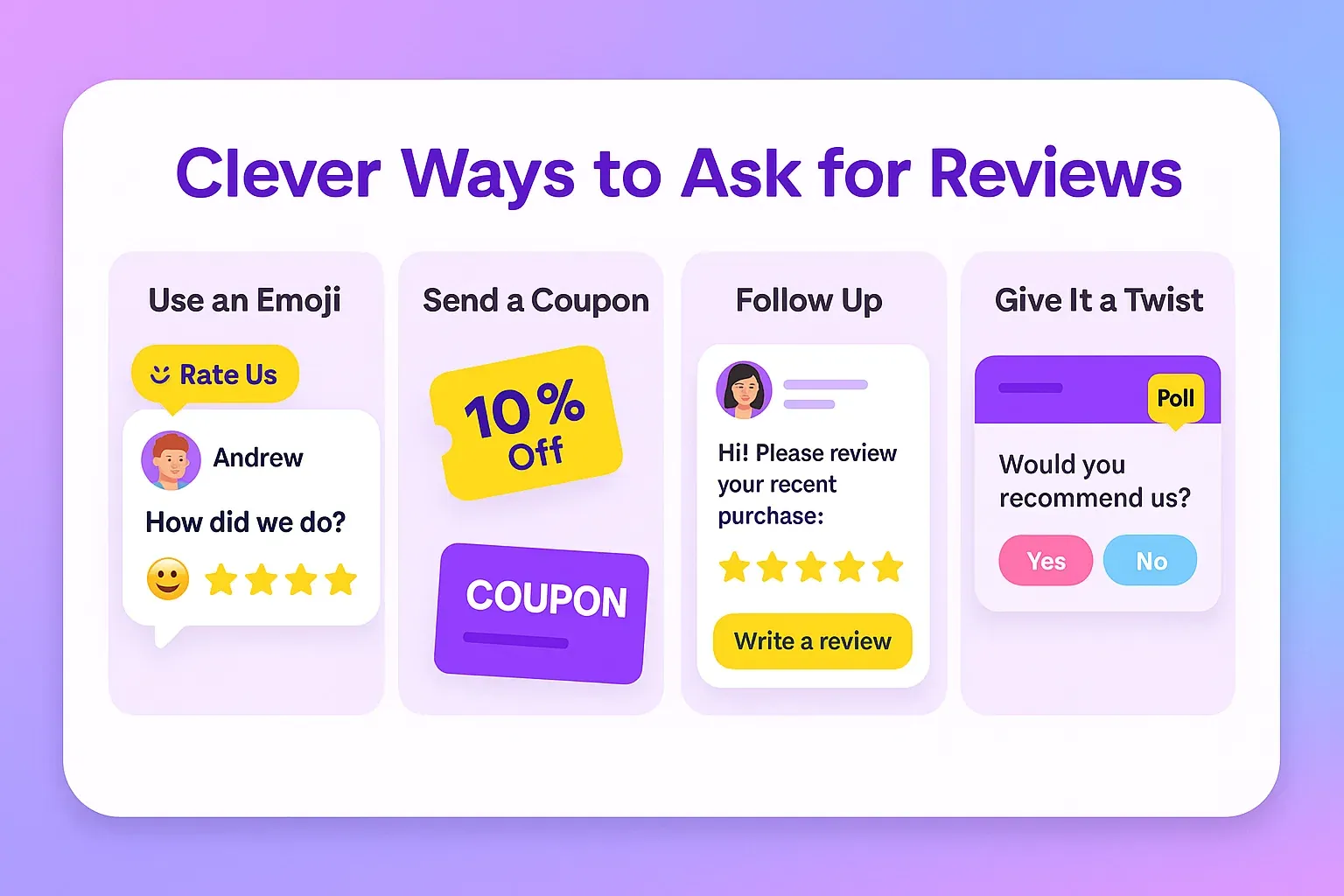
The timing is probably right when the customer has received what they paid for, can describe the result, and has no unresolved support questions. A completed service should look finished, a delivered item should be usable, and a subscription customer should have had time to reach at least one useful outcome.
Watch the reply quality, not only the number of reviews. Comments about shipping usually mean the request came too early or the delivery experience needs work. Comments about setup may mean customers need clearer instructions before you ask for an opinion.
The best test is simple: could the customer explain what worked, what didn’t, and whether the offer matched the promise? If not, delay the request. There’s no single official waiting period for every business; the deciding factor is how long your customer needs to experience the main benefit, which you can read from delivery records, usage data, or completed support cases.
Review request mistakes to avoid
-
Asking at checkout: A payment confirms a transaction, not satisfaction. The request may arrive before delivery, setup, or use, so ask after the customer can judge the result.
-
Requesting only positive reviews: This can make the process look misleading and may violate review rules or platform policies. Ask for an honest review from eligible customers and never write the rating for them.
-
Using the same delay for everything: A fixed schedule can be too early for a product that needs testing and too late for a short service. Match the timing to the first point when the main result is visible.
-
Ignoring unresolved complaints: A review request sent during a billing, delivery, or quality dispute can increase frustration. Pause the request, solve the problem, and then decide whether the customer is ready to give feedback.
-
Sending repeated reminders: Several messages can feel like pressure and may lead to unsubscribes or complaints. Use one reminder at most, honor a refusal, and remove customers who don’t want future requests.
Frequently asked questions
Can I ask for a review immediately after a purchase?
Yes, but immediate requests fit only purchases the customer can judge at once, such as a completed appointment or a simple in-person service. For shipped goods, the customer hasn’t experienced delivery, packaging, setup, or use yet. A receipt can confirm the transaction, but a later message usually gives the customer a fairer basis for feedback.
Why should I wait to ask for a review?
You should wait until the customer needs time to receive, use, install, or compare the product with the promised result. Asking too soon may produce comments about ordering instead of quality. The right pause also gives your team time to catch delivery or support problems before they become part of the customer’s experience.
How long after delivery should I ask for a review?
About 3–7 days after delivery is a useful starting range for an everyday product that needs little setup. Allow longer when installation, learning, or repeated use is needed. The customer should have opened the item and tried its main function. If delivery is late or the package is damaged, solve that issue before sending the request.
Is it safe to offer a discount for a review?
No, not if the discount is available only for a positive review or requires specific wording. A reward tied to a review can make the feedback misleading and may break platform rules. If you offer an incentive for any honest review, disclose it clearly and check the platform’s current policy and applicable FTC requirements first.
What happens if a customer leaves a bad review?
A bad review gives you a chance to separate a service failure from a simple disagreement. Reply calmly, avoid private details, and invite the customer to continue the problem-solving conversation through a private channel. Don’t threaten the reviewer or offer a benefit in exchange for removing criticism. Record the issue and fix the underlying cause when possible.
How often should I send review requests?
Send one initial request and, if appropriate, one reminder for the same purchase or service. More messages rarely improve the customer’s ability to judge the experience, and they can feel intrusive. For repeat customers, request feedback after a meaningful new purchase, completed project, or clear improvement rather than on every routine transaction.
Conclusion
From here, make customer feedback part of your regular follow-up. Keep a simple note of when you ask and what customers say, then use those comments to improve the product or service. Over time, this thoughtful habit can strengthen trust and help more customers feel heard.

Robert Miller works as a Reputation Management Consultant. He has been helping U.S. businesses for over ten years. His work involves helping people protect and enhance their online image.Robert has worked with a wide range of companies. He has helped new businesses, local places that give a service, and big companies. He helps turn customer reviews into something that helps people trust their company and drives business growth.