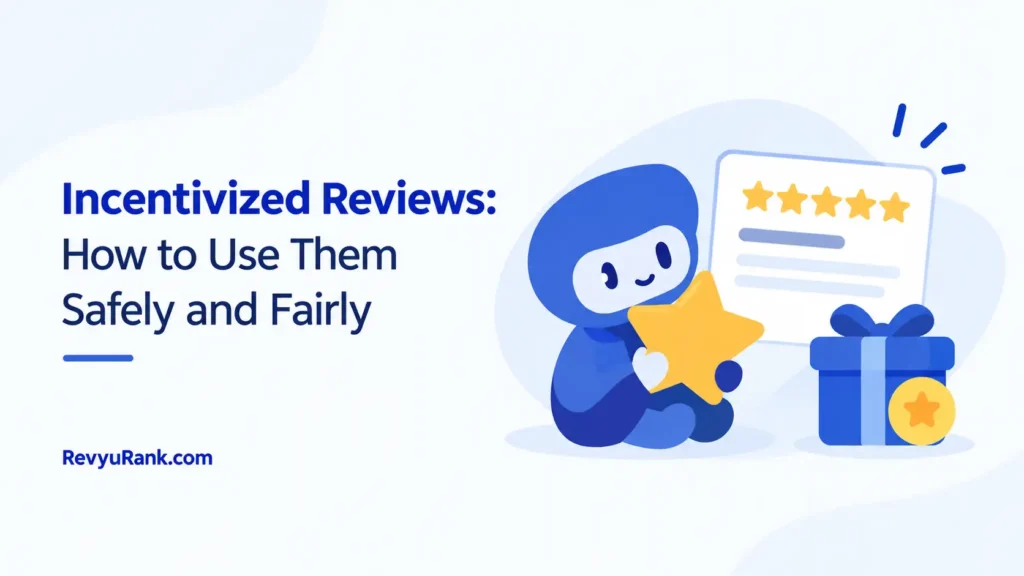
Incentivized reviews can be used only when the reward isn’t tied to a positive rating or favorable opinion, and the reviewer clearly tells readers about the reward. The safest setup is to offer the same small benefit for honest feedback, allow negative comments, and show the disclosure where people can easily see it. Never require five stars, approval before posting, or a specific message.
The answer changes with the review platform, the type of reward, and the country where you operate. The reviewer’s relationship with your business also matters. A customer receiving a discount, an employee posting about the company, and a creator receiving free products don’t face the same disclosure duties.
Who needs a review incentive guide?
A small business owner may already ask customers for feedback but isn’t sure whether a discount makes the review unfair. This reader needs a simple campaign structure, clear wording, and a way to avoid asking only happy customers. The main assumption here is that the business wants honest public reviews, not guaranteed praise.
A marketing manager may already know the FTC rules but needs to check the details. They may be managing several stores, review websites, email campaigns, or loyalty programs. Their real need is a repeatable process that records who received an incentive, what they were told, and where the disclosure appears.
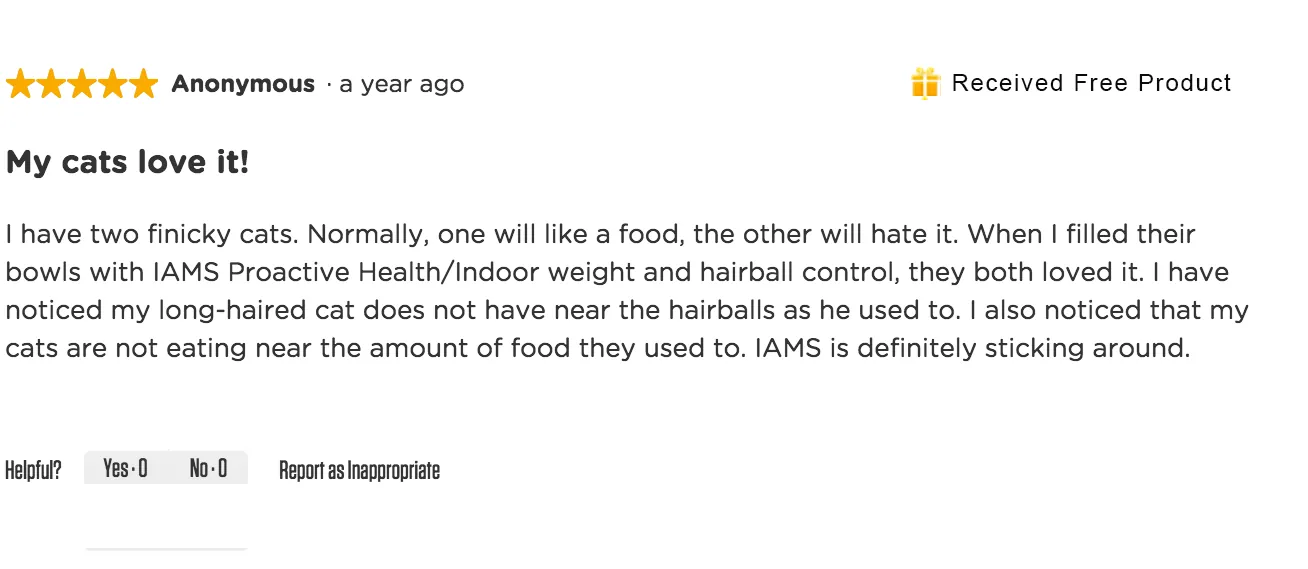
A reviewer may have received a free product, refund, coupon, entry into a drawing, or other benefit. That person needs to know what must be disclosed and whether the reward changes the meaning of the review. A free item can create a connection with the business even when no positive wording was requested.
This page serves businesses and marketers who want to request honest customer feedback without controlling the result. It also helps reviewers who need to disclose a benefit. It isn’t a substitute for legal advice where a campaign crosses state lines, uses paid creators, or involves regulated products.
The rest of this guide assumes the reward is offered after a genuine customer experience and is available for positive, neutral, or negative feedback. It also assumes the business won’t remove a review simply because it’s critical.
What changes the review outcome?
The incentive’s condition matters most. A reward offered only after a five-star rating creates pressure and can make the result misleading. A reward offered for an honest review, regardless of its score, is less risky. Put the exact offer beside the survey or campaign instructions and check whether any phrase suggests that praise is expected.
The review platform’s own policy can be stricter than general advertising law. Some platforms ban compensated reviews altogether, while others restrict the format or require a disclosure. Before launching, read the current policy page for the exact platform, then save a copy or record its publication date.
The disclosure must be easy to notice and understand. A vague line such as “thanks to our partners” may not tell readers that the writer received a coupon or free product. Use plain words such as “I received a 15% discount for sharing my honest opinion,” and place them near the review.
The type of relationship changes the risk. A customer who receives a coupon has a different connection from an employee, paid creator, family member, or supplier. Employees and people with a close business relationship should identify that connection plainly rather than describing themselves as ordinary customers.
The review request’s timing also affects credibility. Asking immediately after a normal purchase may capture a real experience, but asking only customers who contacted support with praise can produce a one-sided set of comments. The mistake people get wrong most often is treating an incentive as safe just because the customer writes the review without being shown exact words.
How to run review requests
Use these steps for a standard customer campaign. They assume the customer has actually used the product or service and that the reward is available for an honest opinion, not a favorable one.
- Check the platform policy first. Read the current review and endorsement rules for each website where the review may appear. Stop the campaign if that platform bans rewards for reviews.
- Choose a neutral reward. Offer one stated benefit, such as a loyalty credit or coupon, without connecting it to stars, sentiment, approval, or publication of a particular message. Write the offer down.
- Invite real customers only. Send the request after a completed purchase or service experience. Exclude employees, staff relatives, suppliers, and anyone who hasn’t used the product.
- Ask for an honest opinion. Use wording such as, “Please share your honest experience, including what could be better.” Don’t supply adjectives, star targets, or a suggested conclusion.
- Show the disclosure instruction. Tell the reviewer to disclose the reward in the review itself. Use plain wording that names the benefit, such as, “I received a coupon for writing this review.”
- Give one review channel at a time. Direct the customer to the approved platform and don’t ask them to post the same compensated review across several sites unless each platform permits it.
- Allow every rating. Pay or issue the promised reward whether the review is positive, neutral, or negative. Keep proof that the benefit wasn’t withheld after criticism.
- Publish without editing the opinion. You may remove private information, abusive language, or unrelated material under a stated moderation policy. Don’t rewrite criticism into praise.
- Record the campaign. Keep the offer, audience, date, disclosure wording, platform policy, and reward records together. The record should show what the reviewer saw before posting.
- Review the results for pressure. Look for unusual star requirements, repeated wording, missing disclosures, or rewards issued only after favorable reviews. Pause the campaign if any pattern appears.
The key judgment is whether a reasonable reader can understand both the reviewer’s connection and the freedom to criticize. A campaign may look finished because reviews are posted, yet still fail if the disclosure is hidden or the reward is withheld after an unfavorable comment.
If the campaign involves health claims, financial services, children, regulated goods, employees, or paid creators, stop before publishing and ask an advertising lawyer or qualified compliance professional to review it.
Review incentive situations compared
The best method depends on who receives the benefit and where the opinion appears. Use the row that matches the actual relationship, not the version that makes the campaign look simplest. Separate a reward for taking part from a reward for favorable treatment.
The first can still require disclosure; the second can distort the result and may violate platform rules. Before launch, record the offer, eligible participants, disclosure language, and moderation process. That record lets you show that criticism was treated the same way as praise.
| Situation | What to do in it | What it takes | What to watch for |
|---|---|---|---|
| Customer gets a coupon | Request honest feedback | Coupon cost, tracking | Visible reward disclosure |
| Customer enters a drawing | Permit every rating | Prize budget, records | No winner pressure |
| Free product is provided | State the free product | Product cost, follow-up | No positive wording |
| Employee posts publicly | Identify employer relationship | Training, approval | No fake customer voice |
| Paid creator reviews | Label paid connection | Contract, monitoring | Clear spoken disclosure |
| Platform bans incentives | Use an untied survey | Survey setup, analysis | No public reward request |
| Negative review arrives | Keep neutral moderation | Response time, records | Don’t punish criticism |
If a platform bans incentives, don’t move the same offer into a public review request. Ask for feedback in a private survey instead, and don’t copy selected answers into a review page without permission. When a negative review arrives, remove it only for the same documented reasons used for any other review, such as spam or personal information. A public response should address the issue without mentioning the customer’s reward status.
Details that protect review quality

Prepare the offer before asking
Write the campaign terms before the first customer receives a message. The terms should name the reward, the eligible customer, the review channel, the deadline if one exists, and the fact that any honest opinion qualifies. Changing the terms after critical reviews appear can make the process look selective.
Keep the reward separate from the rating. A customer shouldn’t need to send a screenshot showing five stars, use approved wording, or wait for the business to approve the review. If your system can’t issue the reward without checking the review’s sentiment, the system needs to change.
The request should also avoid emotional pressure. “Help us keep our perfect rating” signals that praise is wanted, while “Tell us what worked and what did not” leaves room for a fair response. Compare the message customers receive with the words shown on the public review page.
Check the result without controlling it
Read reviews for factual problems, privacy issues, threats, and content unrelated to the purchase. Don’t treat a low rating alone as a reason to remove or suppress a review. A fair moderation policy applies the same content rules to praise and criticism.
Experienced campaign managers also check for missing disclosures. Search the completed reviews for the wording customers were told to use, then sample reviews that don’t contain it. If the disclosure is missing, contact the reviewer with a neutral reminder rather than asking for a better rating.
Leave the reviewer’s meaning alone. Fixing spelling with permission may be harmless on a business-owned testimonial page, but changing a sentence that softens a complaint can alter the opinion. On a third-party platform, use its reporting or correction process instead of editing the customer’s words.
The trade-off is clear: strict control can produce cleaner-looking testimonials, but it raises the chance that readers see a filtered result. A looser process may include criticism, yet it gives the review set more credibility and shows customers that negative feedback isn’t punished.
Review problems and first fixes
A visible problem often points to a process failure, not a need for stronger wording. Match the response to what you can confirm from the campaign record.
| What you notice | What it usually means | What to do first | How to stop it happening again |
|---|---|---|---|
| Only five-star reviews qualify | Reward tied to sentiment | Stop issuing rewards | Rewrite neutral offer terms |
| Reviews lack disclosures | Disclosure instruction failed | Contact reviewers neutrally | Put disclosure beside request |
| Repeated review wording | Script shaped opinions | Pause the template | Ask open-ended questions |
| Critical reviews disappear | Moderation is selective | Restore eligible comments | Publish clear content rules |
| Employee posts as customer | Relationship hidden | Request correction | Train staff before posting |
| Platform removes reviews | Policy likely bans incentives | Stop that channel | Use permitted survey methods |
| Rewards go to noncustomers | Audience check failed | Audit purchase records | Verify completed experiences |
Before changing the request, save the campaign version, audience criteria, send date, reward record, and any moderation log. This makes it possible to tell whether a problem came from the wording, the recipient list, or later handling. Don’t delete the original evidence after correcting the process; retain it under your normal records policy.
Treat a removed review differently from a negative review. If the platform flags content, check the stated rule and stop resubmitting it until the cause is clear. If the customer is dissatisfied, respond to the substance without offering a better reward for changing the rating. Ask for a correction only when the factual record is wrong, and don’t pressure the reviewer to edit or withdraw a criticism.
Rules for disclosure and platforms
In the United States, the Federal Trade Commission says endorsements must be honest and not misleading. A material connection, such as payment, a free product, or another benefit, generally needs clear disclosure when readers wouldn’t reasonably expect that connection. The FTC’s Endorsement Guides explain the federal advertising standard.
A reward can’t be conditioned on a particular sentiment. Asking for a review and offering a benefit for any honest opinion is different from offering a benefit only for five stars. Don’t describe a campaign as neutral if the internal process rejects low ratings or delays rewards after criticism.
A disclosure should appear where the reader sees the endorsement. A note in a general terms page may not be enough for a review displayed somewhere else. The words should identify the connection, such as receiving a discount, product, payment, or contest entry.
Platform rules differ by website and can change. Check the platform’s current business or review policy before each campaign, especially if the review will appear on a marketplace, app store, travel website, or map service. State consumer-protection laws may add duties, so businesses operating across states should ask a lawyer to review the campaign.
Don’t try to solve a legal or platform problem by hiding the reward. If a platform bans compensated public reviews, use an untied private survey or ask for unpaid feedback without promising a benefit.
The real cost of review rewards
The financial cost includes the reward, payment processing, campaign software, staff time, and any tax or accounting work. A discount also reduces the amount collected from a future purchase, while a free product carries its normal cost. Compare the full cost per completed review, not only the face value of the coupon.
The time cost can be higher than the reward. Someone must check eligibility, answer questions, monitor disclosures, issue benefits, handle complaints, and record exceptions. A manual process may take longer as the customer count grows, so count the staff actions required for one review before choosing a large campaign.
The risk cost rises when the campaign selects only happy customers or links payment to high ratings. It also rises when a reviewer has a stronger connection than the business reveals. Employees, paid creators, and people receiving expensive products deserve closer review than ordinary customers receiving a small loyalty benefit.
Compare three numbers in your own records: invitations sent, reviews posted, and rewards issued. Then compare the number of positive, neutral, and negative reviews among eligible responses. The exact result will change with product type, customer experience, reward value, and platform rules, so your campaign records are more useful than a generic industry benchmark.
Keep the campaign compliant
Save the exact invitation, reward terms, disclosure wording, recipient list, issue date, and platform policy used for the campaign. Keep a versioned copy when wording or policy changes. Record who was eligible, contacted, declined, received a reward, or posted, using the least identifying information needed. Store the review URL or internal record with those materials, but limit access to personal information. Your business retention policy and applicable privacy rules decide how long those records should remain.
Keep evidence of eligibility and delivery separate from the public review where possible. This helps show that rewards were handled consistently without exposing a customer’s identity to people who don’t need it. Document opt-outs and failed deliveries too, so the recipient list doesn’t become a list of assumed participants.
Check whether the public review still contains its disclosure after publication. A reviewer may edit a post later and remove the line identifying the benefit. If that happens, send a neutral reminder that explains what must be disclosed; don’t ask the person to change the rating or praise the business. If the platform provides a correction process, use it rather than editing the review yourself.
Watch for signs that the process needs attention: rewards issued only to positive reviews, several posts using the same unusual sentence, missing customer records, or reviews removed after complaints. A single anomaly may be an error, but repeated patterns suggest a broader process problem. If one appears, pause new requests and audit the campaign before restarting. Compare invitations, eligibility, rewards, disclosures, and removals against the campaign records.
If the platform changes its policy, don’t assume existing campaign wording remains acceptable. Read the updated rule and compare it with your offer. Check whether the change affects incentives, disclosure, targeting, or review handling. Keep the superseded version and note when the new rule took effect. Change or stop the campaign when the two no longer match.
When review rewards are wrong

This approach isn’t for a platform that bans compensated public reviews. Use an unpaid request for honest feedback, or run a private customer survey that follows the platform’s rules. Check the current policy before launching: rules can differ by platform, country, and review site. Don’t move the same reward campaign to a different website and assume the policy is identical.
It also isn’t suitable when the business can’t accept negative feedback. If staff must approve every review or rewards are withheld after criticism, use customer research instead of a public review campaign. A moderated internal survey can collect problems without pretending the responses were freely published. Tell participants how their feedback will be used, and keep the reward tied to participation rather than praise, rating, or publication. If the business can’t make that promise, don’t solicit public reviews.
Extra care is needed for regulated products, health services, financial services, children, and employment relationships. The benefit may create legal or ethical risks that a general customer campaign doesn’t cover. A patient, borrower, child, or employee may feel pressure to participate, even when the request is described as optional. Stop before asking for public posts and get advice from an advertising lawyer or relevant compliance professional.
This method is also a poor fit when the customer hasn’t used the product long enough to judge it. Ask for feedback after a genuine experience, or measure an early part of the service separately. Don’t reward a claim the customer has no reasonable basis to make.
For a subscription, for example, an early check-in can ask about setup or first use, while a later request can address reliability or results. Match each question to what the customer has had time to observe.
Frequently asked questions
Can I offer a discount for an honest review?
Yes, a discount can be offered for an honest opinion when the platform permits it, and the offer isn’t tied to a positive rating. Tell the reviewer to disclose the discount in the public review. Keep the reward available for negative and neutral feedback, and don’t require a screenshot showing a certain number of stars.
Why do incentivized reviews need disclosure?
They need disclosure because a reward can affect how readers understand the reviewer’s independence. Readers may judge a comment differently when they know the writer received a coupon, free product, payment, or contest entry. The disclosure should be clear, close to the review, and written in ordinary language.
How long should a review incentive campaign run?
There’s no universal safe campaign length. The useful limit is the time needed to collect feedback from customers with a real product experience, while the offer and platform policy remain unchanged. Set an end date in your records, then check the current platform rule before extending the campaign.
Is it safe to reward five-star reviews?
No, rewarding five-star reviews creates a direct link between the benefit and positive sentiment. It can make the review set misleading and may violate advertising or platform rules. Offer the same reward for an honest review at any rating, or don’t offer a public-review reward at all.
What happens if a customer leaves a negative review?
The customer should still receive the promised benefit if the campaign covered honest opinions. Apply the same content rules used for positive reviews, respond to factual issues without demanding a rating change, and keep proof that criticism didn’t cancel the reward.
Does it matter if the reward is small?
Yes, even a small reward can matter when readers wouldn’t expect the relationship. The value can affect how strongly the connection influences a reader, but it doesn’t remove the need for a clear disclosure. Check the reward’s real value and describe it accurately.
Can employees write reviews for their company?
Employees can discuss their employer only when the platform permits it, and the relationship is clearly disclosed. They shouldn’t pretend to be ordinary customers or repeat company-approved praise. If the person hasn’t independently used the product, don’t present the post as a customer review.
How do I fix an undisclosed review?
Ask the reviewer politely to add a plain disclosure that names the benefit, without requesting a higher rating or changed wording. If the review violates the platform’s policy, use the platform’s reporting process. Don’t delete criticism merely because the disclosure is missing.
Start an incentivized review campaign
Before inviting anyone, read the current review policy for each platform where a review might appear. Some platforms prohibit incentives altogether, so an offer that’s lawful elsewhere may still get the review removed or the account restricted. Keep the campaign separate from customer support, and don’t make a reward dependent on a positive rating.
If incentives are allowed, offer the same benefit for an honest review, whether it’s favorable, mixed, or critical. Don’t ask for five stars, approve wording, or contact only customers you expect to praise you. Tell recipients, before they participate, what they receive and when. Ask them to disclose the incentive wherever the platform requires it, using clear and easy-to-understand language.
Keep the offer, eligibility rules, invitations, disclosures, review links, and fulfillment records together. Record who received a reward, but don’t pressure anyone to reveal private review content. Reconcile issued benefits against eligible participants, and correct missed or unequal rewards promptly. Stop and get legal or compliance help if regulated services, employees, paid creators, or rewards tied to praise are involved.

Robert Miller works as a Reputation Management Consultant. He has been helping U.S. businesses for over ten years. His work involves helping people protect and enhance their online image.Robert has worked with a wide range of companies. He has helped new businesses, local places that give a service, and big companies. He helps turn customer reviews into something that helps people trust their company and drives business growth.