
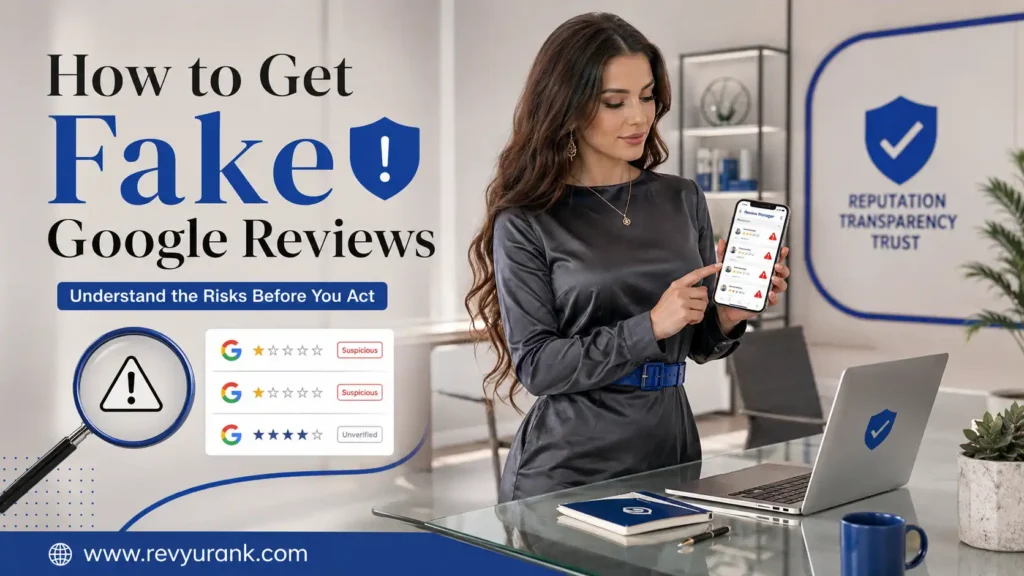
Fake Google reviews may seem like a quick way to improve a business’s online reputation, but they can create serious long-term risks. Google reviews strongly influence how potential customers evaluate a local business before deciding whether to call, visit, or make a purchase. Because of this, businesses may be tempted to look for shortcuts when they want more positive reviews.
However, buying, creating, or manipulating fake reviews is not a sustainable reputation strategy. Inauthentic reviews can undermine customer trust, damage a business’s credibility, and potentially lead to problems with Google’s review policies. A stronger approach is to build a steady flow of genuine feedback from real customers who have actually experienced the business.
For businesses looking to improve their Google Business Profile, the most effective long-term strategy is to provide excellent customer service, make it easy for satisfied customers to leave honest feedback, respond professionally to reviews, and address legitimate negative feedback constructively. Authentic Google reviews can strengthen local trust, improve a business’s reputation, and provide useful insights that help the business grow.

Understanding Fake Google Reviews and Their Appeal
Fake Google reviews are made to look like real customer opinions, even though they do not reflect a true customer experience. Businesses may chase them because positive reviews can influence first impressions, star rating, and buyer choices on a Google Business Profile.
At the same time, online reviews carry real weight with customer trust. When a profile looks empty or weak, the appeal of fake Google reviews grows. To understand that temptation, it helps to look at why businesses want them, how reputation affects decisions, and why some see them as a shortcut.
Why Some Businesses Want Fake Reviews
Many owners want fast results. If your business has only a few reviews, fake Google reviews can seem like an easy way to add positive reviews and look more established in Google Search. For a company trying to attract new customers, that can feel appealing.
Some also believe reviews help local SEO, and the compiled information supports that reviews matter for local visibility. A stronger-looking profile may seem like a shortcut to more calls, clicks, and map views. When competitors have more activity, the pressure can feel even stronger.
But the risks are serious. Fake reviews can be detected, removed, and linked to profile penalties. They can damage customer trust, harm rankings, and trigger legal action or civil penalties. If people spot the pattern, your reputation can fall much faster than it rose.
The Role of Online Reputation in Attracting Customers
Your online reputation often acts like a storefront window. Before people contact you, they check your Google Business listing, scan the star rating, and compare what they see on Google Maps with other nearby options. That first look can influence whether they trust you.
A strong Google Business Profile helps because customer experience is visible in one place. Positive, detailed feedback gives people a reason to believe your business is reliable. That matters because customer trust is built through real stories, not just polished marketing claims.
Some businesses try to manufacture that image by posting reviews from false profiles, reused reviewer accounts, or services selling fake praise. That is how fake review activity usually starts. Yet the compiled information shows that a solid online reputation grows best from genuine experiences shared by real customers.
Perceived Shortcuts to Boosting Google Rankings
It is easy to see why shortcuts attract attention. Reviews affect local SEO, and they help shape your online presence. If a Google Business Profile has a low review count, some owners assume a quick burst of praise will improve Google Search visibility and create a better first impression.
That thinking leaves out one major problem. Google’s algorithm does not just count reviews. The compiled information points to evolving detection systems, spam filters, user reports, and unusual review activity patterns. That means fake efforts may not stay hidden for long.
Some businesses try to avoid removal by spreading reviews over time, changing wording, or using different reviewer profiles. Even so, patterns can still raise red flags. A shortcut may look helpful at first, but it can create platform consequences that are far harder to fix later.
How Fake Google Reviews Are Created
Fake reviews are usually created to imitate a real Google review without a real customer behind it. The compiled information shows common signs such as generic language, vague praise, reused profiles, and bursts of review activity that do not match a normal customer flow on a Google Business Profile.
These reviews may be posted directly, bought from outside services, or written through false accounts. Some people also look for ways around account barriers when leaving feedback. To make sense of that, the next sections explain the methods, services, and account-related workarounds tied to fake review activity in Google Search.
Common Methods Used to Generate Fake Reviews
Businesses that generate fake reviews often try to copy the look of normal customer feedback. Instead of earning authentic reviews from real customers, they use shortcuts that create the appearance of popularity for a local business on Google Maps and search.
In practice, the compiled information points to a few recurring methods. These methods do not reflect genuine review requests after a real interaction. They are built to influence perception rather than record a true experience.
- Buying review packages from online sellers
- Using the same profiles to review many businesses
- Posting vague praise with little detail
- Creating a sudden spike in positive comments
- Reusing similar wording across many listings
- Leaving reviews from people who never used the service
The contrast is important. Authentic reviews usually follow a real customer journey, often after delivery, service, or support. They contain natural language and specific details. Fake reviews skip that process, which is why they often leave clear signs behind.

Tools and Services Offering Fake Reviews
Yes, there are services online that claim they can sell fake reviews, but the compiled information does not recommend them. It frames them as risky, unethical, and harmful to your business. These services often market themselves as a fast way to improve online reviews or inflate a Google review count.
Their pitch usually targets businesses that have weak visibility or an inconsistent review collection process. Instead of helping you gather feedback from real customers, they promise volume, speed, and control. That promise is exactly what makes them dangerous.
- They sell review bundles or monthly review services
- They promise positive ratings with little effort
- They claim their services are hard for Google to detect
- They focus on appearance rather than genuine feedback
By contrast, the compiled information promotes tools that help collect authentic reviews. Those systems ask for customer feedback first, then invite willing customers to post publicly. That approach supports trust instead of manufacturing it.
Writing Google Reviews Without a Gmail Account
One issue noted in the compiled information is accessibility. Not everyone has a Google account, and not everyone wants to leave a public Google review. That is a real barrier for businesses trying to collect online reviews in a natural way.
Because of that barrier, some people search for methods to post reviews without a Gmail account. The compiled information does not provide a workaround for bypassing Google’s system. Instead, it explains that this limitation is one reason businesses should offer multiple review options and gather feedback in other ways first.
That matters because forcing around the Google account requirement can encourage fake review activity. A better approach is to collect customer feedback through surveys, QR codes, email, or a review form, then ask willing customers if they want to leave a public review on Google.
Popular Platforms and Websites for Buying Fake Google Reviews
There are online platforms that advertise fake Google reviews, often presenting them as a simple way to buy reviews and strengthen a weak profile. Their messaging usually focuses on speed, high ratings, and easy delivery through a Google review link or profile details.
Still, the compiled information treats these services as a clear danger. They can create suspicious online reviews, expose your business to penalties, and weaken trust if customers notice the pattern. To judge them properly, it helps to understand what these services look like, how to spot warning signs, and how they operate in the United States.
Types of Review Services Available Online
Online review services usually fall into a few broad groups. Some openly sell fake Google reviews. Others hide behind marketing language and bundle review manipulation with social media growth or reputation services. The common theme is the same: they offer fake reviews instead of verified customer feedback.
These sellers appeal to businesses that want a stronger profile fast. They may ask for a business name, listing details, or a direct review page. Even when their branding looks polished, the compiled information makes clear that these review services create serious risk.
| Service type | What it usually promises | Core problem |
| Review bundle sellers | A fixed number of positive fake Google reviews | No real customer experience behind them |
| Monthly review services | Ongoing fake reviews over time | Suspicious pattern if activity looks staged |
| Social media growth agencies | Reviews plus likes, follows, or mentions | Focus on image, not authentic trust |
| Reputation boosters | Star rating improvement and profile enhancement | Can cross into deceptive practices |
If you are seeing promises like these, you are not looking at a trustworthy review process. You are looking at manipulation dressed up as marketing support.
Warning Signs of Suspicious Services
Suspicious review services often sound confident. They promise safe delivery, realistic profiles, and no chance of detection. That sales pitch is meant to calm fears about platform consequences, but it also reveals several red flags.
The compiled information suggests that fake review patterns are often easy to notice. Review services may use repeated wording, generic comments, or accounts that review businesses in many places. If you are trying to avoid removal, these are exactly the signs that can expose the activity.
- Guaranteed five-star results
- Large numbers of reviews in a very short time
- Claims that reviews are “undetectable”
- No focus on real customer experience
- Generic language instead of specific feedback
- Reviewer profiles with thin or strange histories
- Packages tied to a star rating target
If a service promises control over the outcome rather than honest customer feedback, step back. Those promises usually signal trouble, not protection.
How These Services Operate in the United States
In the United States, these services often operate online and market themselves as growth tools for your online presence. They may frame fake reviews as reputation help, profile support, or digital visibility services rather than calling them fake outright.
That wording does not remove the risk. The compiled information says the Federal Trade Commission has ruled against fake reviews, and it points to cases where businesses faced fines and legal action. Consumer protection laws matter here, even when a seller tries to make the service sound routine.
So, is it legal to buy or generate fake Google reviews? Based on the compiled information, this is a legal risk area and not something a business should treat casually. If you are unsure, real legal advice is far safer than trusting a seller’s marketing claims.
Risks and Consequences for Businesses Using Fake Google Reviews
The risks of fake Google reviews go well beyond a few deleted comments. The compiled information ties them to violations of Google’s policies, loss of trust, weakened visibility, and even civil penalties. For businesses focused on reputation management, that is a high price for a short-term tactic.
In simple terms, fake reviews can hurt your profile, your legal position, and your brand image at the same time. The next sections break down policy violations, legal implications, and what can happen if Google detects suspicious activity.

Violation of Google’s Guidelines and Policies
Google’s policies are built around trust. Reviews are supposed to reflect real experiences, not paid or manufactured praise. When fake Google reviews appear on a Google Business Profile, they clash directly with that standard.
The compiled information explains that Google uses algorithms, filters, and user reporting to identify suspicious activity. That means a business is not just hoping fake content slips by. It is taking a chance against systems designed to protect review quality.
What happens if Google finds out your reviews are fake? The likely result is removal of the reviews, damage to your profile standing, or suspension and penalization of the listing. Honest review requests to satisfied customers are acceptable. Manufactured review activity is not, and the difference matters.
Legal Implications of Buying or Posting Fake Reviews
Buying or posting fake reviews is not just a platform issue. The compiled information points to legal implications tied to deceptive conduct. It specifically notes action by the Federal Trade Commission and highlights that fake reviews can lead to fines and legal action.
That matters because consumer protection laws are meant to guard buyers from misleading claims. A review is not supposed to be an ad disguised as a customer opinion. When it becomes that, the legal implications grow quickly.
There is also a concrete example in the compiled information of a doctor in the United States who was fined for buying fake Google reviews. So if you are asking whether it is legal, the practical answer is that this can expose a business to civil penalties and serious trouble.
What Happens If Google Detects Fake Reviews?
If Google detects fake reviews, the impact can be immediate. The compiled information describes a system that uses automatic filtering, user reports, and pattern detection. So even if fake reviews appear live for a while, they are never guaranteed to stay.
For a business, the platform consequences can go beyond losing those comments. Once trust is damaged, your Google Business Profile and search results may suffer. That can reduce visibility right when you hoped to boost it.
- Fake reviews may be removed from the listing
- Your profile may be suspended or penalized
- Search results visibility may decline
- Your business may face lasting reputation damage
This is why fake review tactics are such a poor trade. They promise short-term lift, but they can create long-term cleanup work and a weaker public image.
Advanced Tactics to Avoid Detection and Removal
Some businesses try advanced tactics to keep fake Google reviews live longer. They may vary timing, wording, or reviewer accounts in hopes of avoiding review removal. For a local business under pressure, that can sound clever.
Still, the compiled information shows that Google’s algorithm, user reporting, and profile monitoring continue to improve. In other words, tricks that seem subtle can still create patterns. To see why these tactics remain risky, it helps to look at how fake reviews are made to appear authentic, what mistakes expose them, and how long they usually last.
Techniques Used to Make Fake Reviews Look Authentic
Businesses trying to hide fake Google reviews often copy the look of authentic reviews. They know that generic praise stands out, so they aim for natural wording, small imperfections, and details that seem believable. The goal is to mimic happy customers and genuine customer feedback.
The compiled information gives clues about what makes a review feel real. Specific details, natural language, and individual voice all help. That is exactly why fake online reviews try to imitate those features.
- Adding details about the service or product
- Mentioning staff names or parts of the experience
- Using longer wording instead of short bursts of praise
- Avoiding branded slogans and obvious sales language
- Spacing out posting dates to look natural
- Leaving minor typos to seem human
Even so, copying the shape of authenticity is not the same as earning it. A false review may look better written, but it still carries the same risks if detected.
Common Mistakes That Lead to Review Removal
Fake reviews are often exposed by repetition. Google’s algorithm and user reports can spot patterns that people miss at first glance. Once those patterns appear, review removal becomes much more likely.
The compiled information describes several red flags. Generic wording, anonymous-looking profiles, and activity bursts can all trigger attention. These mistakes weaken the illusion and increase platform consequences for the business.
- Several reviews posted in a short time
- Similar phrases across multiple comments
- Reviewer profiles with little real history
- Vague praise without any specific details
If businesses are wondering how fake reviews get removed, these errors are a big part of the answer. Real customer feedback tends to vary naturally. Manufactured praise usually leaves a trail.
How Long Do Fake Reviews Typically Remain Published?
There is no reliable timeline. Fake reviews can stay visible for a short period or disappear after Google’s systems, user reports, or manual checks pick up unusual review activity. The compiled information does not promise any stable window because the removal process depends on detection.
That uncertainty is part of the problem. A business may see fake reviews live on Google Maps or in Google Search and assume the tactic worked. Then removal happens later, sometimes after customers or competitors notice the pattern first.
If Google finds out the reviews are fake, they can be taken down, and the profile may face wider consequences. So even when fake reviews remain published for a time, they are still unstable assets that can turn into liabilities without warning.
Spotting Fake Reviews on Google My Business
Fake reviews are often easier to spot than businesses expect. On Google My Business, the difference between authentic reviews and manufactured praise usually appears in the wording, timing, and reviewer profile quality. Genuine reviews tend to sound personal and grounded in a real visit or purchase.
That matters for both consumers and business owners. When you can identify suspicious patterns early, you can protect trust and respond the right way. The next sections cover the clearest warning signs, how fake review patterns differ from real customer feedback, and how to report suspect content.
Key Indicators of Inauthentic Feedback
If you are trying to identify fake reviews on Google My Business, start with the basics. Inauthentic feedback often sounds polished but empty. It may praise the business heavily without explaining what actually happened.
The compiled information gives several clues that help. Genuine customer feedback usually contains specific details, while a fake Google review often stays broad, repetitive, or oddly timed. Reviewer profiles can also reveal a lot.
- Very generic praise or criticism
- No specific details about the customer experience
- Similar wording across multiple reviews
- Reviewer profiles with little information
- Reviews posted in a sudden cluster
- Comments tied to made-up or thin identities
- Reviews from profiles active across unrelated locations
When several of these signs appear together, caution makes sense. One single fake review may be hard to prove, but a visible pattern often tells the real story.
Comparing Real Reviews vs. Fake Review Patterns
Real reviews and fake reviews usually leave very different signals. Authentic reviews come from real customers after an actual interaction. Fake review services skip that experience and try to copy the final output instead.
That difference affects tone, detail, and timing. Online reviews from real people often mention what they bought, who helped them, or how the issue was solved. Fake patterns usually focus on boosting image without showing lived experience.
- Authentic reviews follow real service or purchase moments
- Fake reviews often appear in unnatural bursts
- Real customers use personal details and varied language
- Fake reviews create repeating phrases and predictable praise
The same distinction applies to tools. An authentic review generator supports review collection from real customers. Fake review services sell imitation content. One builds trust. The other tries to borrow it.
How Consumers and Businesses Can Report Suspect Reviews
If your business gets fake reviews, the compiled information points to user reporting as an important part of the system. Google relies on both automated checks and people who flag suspect reviews that may break platform rules.
For businesses and consumers, the key is to focus on the review itself and the pattern around it. Look for clear signs of false or misleading content, then report reviews through the Google Business Profile tools connected to the listing.
- Flag the suspicious Google review for review
- Check the reviewer profile for obvious inconsistencies
- Track repeated fake review activity over time
- Keep your responses professional and factual
If you are asking how to contact Google, the practical route in the compiled information is through Google’s review reporting process rather than direct informal outreach. Reporting creates a record and can lead to platform consequences when the content is found to violate policy.
Frequently Asked Questions
Q: Is it legal to generate or buy fake Google reviews in the United States?
A: Buying or generating fake Google reviews in the United States can create serious legal action risk. The compiled information says the Federal Trade Commission has ruled against fake reviews, and consumer protection laws may apply. Businesses can face civil penalties, fines, and lasting damage to credibility.
Q: Can fake Google reviews be traced back to my business?
A: Yes, fake Google reviews can create patterns that point back to your business. Review bursts, reused wording, and suspicious profile activity can affect your online presence. If linked to your Google Business Profile, the platform consequences may include removed reviews, weaker search results, or profile penalties.
Q: What should I do if my business receives fake negative reviews?
A: If your business gets fake reviews or fake negative reviews, report the suspicious Google review through your profile tools and keep your response calm and factual. Good reputation management protects customer trust. Focus on collecting more real feedback so authentic customer experiences outweigh false comments.

Conclusion
In conclusion, while the allure of fake Google reviews may seem tempting for boosting your online reputation, the risks far outweigh the benefits. Engaging in such practices can lead to serious legal consequences and damage your business’s credibility if discovered. It’s essential to focus on building an authentic reputation through genuine customer interactions and positive feedback.
By prioritizing transparency and honesty, you create a sustainable foundation for your brand that will ultimately attract more customers in the long run. If you’re looking to enhance your online presence ethically, consider reaching out for a free consultation to discuss effective strategies tailored to your business needs.