
Positive review examples work best when they name the result, explain why it happened, and give a detail the reader can trust. A short review can be 2–3 sentences, while a detailed review often needs 75–150 words; the right length depends on the product, service, and place where you’ll post it.
The strongest version changes with your goal, audience, and experience. A customer may need a quick review template, a business owner may need examples for replies, and a marketer may need wording that stays honest. Your review should match what you actually used, avoid claims you can’t prove, and sound like a real person wrote it.
Positive Review Writing for Different Readers

A customer looking at a blank review box usually needs a simple way to start. You may know that you liked the product or service, but “Great job” doesn’t explain what made it useful. You need a short pattern that turns your experience into clear words.
A business owner has a different problem. You may need examples that show customers how to leave useful feedback, or you may need to reply to reviews without sounding copied. Your focus is clarity, warmth, and a response that addresses the customer’s actual point.
A marketing or support team may need a larger set of examples. You might be writing for Google, Yelp, an online store, a survey, or an internal feedback form. Each place has a different audience, so a sentence that works in a private survey may sound too formal on a public review page.
This page serves readers who want to write a truthful, positive customer review from their own experience. It assumes you used the product, received the service, or visited the business yourself. It doesn’t serve someone who wants to invent praise, hide a paid relationship, or copy reviews word for word.
Use the examples as structures, not scripts. Replace the details with the real product, service, result, and reason you’d recommend it. If your experience was mixed, a balanced review will usually help readers more than forced praise.
What Makes a Review Convincing
The specific result matters most. “I enjoyed the service” is positive, but “The technician fixed the leaking faucet during the first visit” gives the reader something useful to judge. Start by naming what changed, improved, arrived, worked, or felt easier.
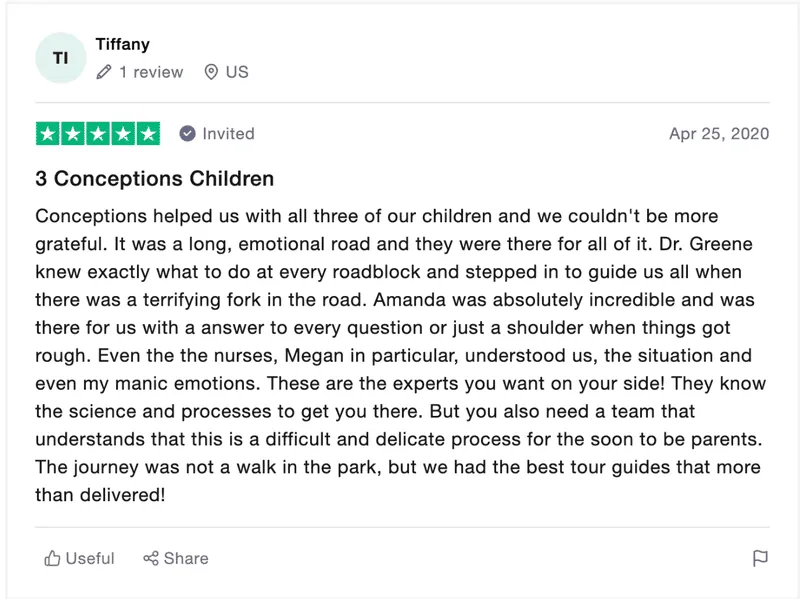
The detail must fit your situation. A review for a restaurant may mention a dish, wait time, or staff response. A review for software may mention setup, a task it made easier, or a feature you used. Check your receipt, order history, appointment notes, or memory before adding details that could be wrong.
Your reason makes the praise believable. Say why the result mattered to you, such as saving time, reducing confusion, fitting a small space, or helping you meet a deadline. Avoid broad claims like “best in the world” unless you can genuinely support them.
The wording should reflect the audience: a review for parents may mention child-friendly service, while one for a professional audience may focus on reliability or documentation. Consider what the next reader needs to decide, then include one detail that addresses that concern.
The length should match the decision. Use 2–3 sentences for a simple purchase or quick visit. Use 75–150 words when the reader needs context, such as for a contractor, course, app, hotel, or expensive service. A longer review isn’t automatically better.
Specificity is the part people get wrong most often. They add extra adjectives instead of adding evidence, so the review becomes “amazing, wonderful, perfect, and excellent” without saying what happened. Replace one adjective with one checkable detail.
A clear recommendation can finish the review. Say who might benefit, such as someone needing fast delivery, simple setup, careful communication, or a flexible appointment. If the product only fits a certain need, say that instead of pretending it suits everyone.
How to Write a Positive Review
Use this process when you’re starting with a real experience and need a finished review. Keep your notes beside you, and don’t add a claim just because it sounds more impressive.
-
Name the item or service you used. Write the business, product, provider, or location in the first sentence. Check the exact spelling on your receipt, order page, appointment record, or official listing. The finished sentence should tell the reader what you’re reviewing.
-
State your overall result. Say whether you were satisfied, impressed, relieved, or likely to return. Keep this to one clear sentence, such as “I was happy with the repair and would use this company again.” The reader should understand your opinion immediately.
-
Add one specific detail. Mention the dish you ordered, feature you used, issue the provider solved, or item that matched its description. Choose a detail you personally observed. The review becomes stronger when the reader can picture the experience.
-
Explain why that detail mattered. Connect the detail to your need, such as a quick delivery before a trip or a simple setup for a first-time user. Use one sentence. The sign this step worked is that a stranger can understand the benefit without asking you to explain it.
-
Describe the service or process. Include communication, staff behavior, packaging, instructions, scheduling, or checkout only when it affected your experience. Don’t list every part of the transaction. Keep the point tied to what helped or disappointed you.
-
Add a fair limit when needed. If the product worked well but has a learning curve, say so. If the restaurant was excellent but crowded, include that condition. Limits make the praise more useful, and they prevent your review from sounding like an advertisement.
-
Give a suitable recommendation. Tell readers who may appreciate the experience, such as busy customers, beginners, families, or people needing a specific feature. If the recommendation has a condition, include it in the same sentence. Don’t claim it’s right for everyone.
-
Remove unsupported claims. Delete words such as “always,” “never,” “guaranteed,” or “the best” unless you can prove them from your direct experience. A review that promises too much can mislead readers and damage your credibility.
-
Check the final length and tone. Keep a quick review near 2–3 sentences, or expand it to about 75–150 words when context matters. Read it once as a stranger. If the reader still can’t tell what happened, add a concrete detail rather than more praise.
The key judgment is whether the review helps someone make a choice. A review can look polished and still fail if it only approves; the reader needs to see what you used, what happened, and why that result mattered.
Review Formats at a Glance
Choose the format that matches the reader’s decision and the space you have available. A short format is easier to scan, while a detailed format gives more context but takes longer to write.
Use a short review when the reader mainly needs a quick yes-or-no signal. State what you used, the result it produced, and the most important limitation. Use a longer review when the decision depends on conditions, such as staff response, software version, room quality, or a problem that took more than one step to solve.
Before writing, identify the specific experience you can support. Record the date, product or service name, version, location, and relevant conditions while they’re fresh. If those details changed during your visit or use, say which part of the review they describe.
| Situation | What to do | What it takes | What to watch for |
|---|---|---|---|
| Quick product purchase | Name result and feature | 2–3 sentences | Avoid broad claims |
| Restaurant visit | Mention dish and service | 30–60 words | Note busy conditions |
| Local service | Explain problem solved | 75–150 words | Keep dates accurate |
| Software review | Describe task completed | 75–150 words | Name version used |
| Hotel or travel stay | Cover room and staff | 75–150 words | Separate facts, feelings |
| Repeat customer visit | Explain continued value | 2–5 sentences | Don’t claim perfection |
| Mixed experience | Praise and limit fairly | 75–150 words | Avoid personal attacks |
A useful review separates what happened from what you concluded. “The delivery arrived two days late” is a fact; “the company is unreliable” is a broader judgment that needs more evidence. Describe the result before assigning a rating or recommendation.
Conditions can change the meaning of an experience. A restaurant visit during a crowded dinner service may not represent a quiet weekday lunch, and a software feature may behave differently after an update. Include the condition when it could affect another reader’s decision.
For a repeat visit, name the reason you returned and whether the same benefit remained. For a mixed experience, give credit for what worked, identify the specific failure, and explain who might still find the option suitable. If you can’t verify a detail, leave it out rather than presenting a guess as a fact.
Details That Improve Review Quality
Prepare the useful facts
Strong reviews usually start with a small fact check. Look at the order confirmation, receipt, appointment message, or product name before you write. This reduces errors in names, dates, sizes, versions, and services.
Pick one main result and one supporting detail. For a cleaning service, the result might be a clean home and the detail might be careful attention to a hard-to-reach area. For software, the result might be finishing a task faster, while the detail could be an export option you actually used.
Put the most useful information early. Readers often scan the first two sentences before deciding whether to continue. A direct opening like “The repair was completed during the scheduled visit” gives more value than “I wanted to share my thoughts.”
Use a detail you can defend. “The package arrived on Tuesday” is different from “The fastest delivery ever.” The first describes your experience; the second makes a comparison you may not be able to support.
Keep the praise grounded
Experienced review writing separates observation from opinion. “The staff explained the return process clearly” is an observation based on what happened, while “They’re the nicest staff anywhere” is a wide claim with no clear limit.
Check the result before you recommend it. If a product works for one task but not another, mention that difference. If a business handled your appointment well but you haven’t used its emergency service, don’t imply that you have tested every part of the company.
Leave out private information that doesn’t help the reader. Your full order number, a worker’s personal phone number, or another customer’s name can create privacy problems. Keep the review focused on the business, product, service, or experience.
The trade-off is simple: more detail makes a review more useful, but extra detail can hide the main point. If a sentence doesn’t explain the result, the reason, or a useful condition, remove it.
Positive Review Problems and Fixes
A weak review usually has a recognizable problem. Use the table to match what you see on the page with the first change to make.
Before writing, decide what a reader should learn from your experience. A useful review gives context, names one result, and explains why that result mattered. It doesn’t need to praise every part of the product or service.
| What you notice | What it usually means | What to do first | How to stop it happening again |
|---|---|---|---|
| Only says “great job” | The result is missing | Add one concrete detail | Note results immediately |
| Uses repeated adjectives | Praise lacks evidence | Replace one adjective | Describe what happened |
| Sounds like an advertisement | Tone is too broad | Add a personal condition | Write for one reader |
| Includes every detail | Main point gets buried | Remove unrelated facts | Choose one main result |
| Makes absolute promises | Experience is overstated | Delete “always” claims | Use direct observations |
| Copies another review | Wording isn’t personal | Rewrite from memory | Keep your own notes |
| Names private information | Review risks exposure | Remove personal data | Share only useful facts |
A concrete detail can be a task completed, a problem avoided, or a change you personally noticed. If you can’t support a claim with an example, soften it or remove it. “The support team answered my question clearly” is more useful than “the support was amazing.”
When the result depends on your situation, say what that situation was. A review based on one short use shouldn’t sound like a judgment about every customer. Mention the feature, service, or circumstance that shaped your experience, then leave out unrelated background.
Read the draft once as someone deciding whether to try it. If the main benefit is unclear after the first few lines, move that result forward. If the review reveals someone’s address, contact details, health information, or other identifying material, replace it with a general description. Keep the fact that helps the reader and remove the detail that only exposes someone.
Rules for Honest Customer Reviews
A positive review should reflect a real experience and avoid claims that could mislead readers. The Federal Trade Commission says endorsements and testimonials must be honest and not misleading, and its consumer reviews guidance explains rules around fake reviews, incentives, and company practices.
If you received free goods, a discount, payment, or another benefit, check the disclosure rules that apply to your situation. The correct wording can depend on the platform, relationship, and country. A business should also check the platform’s review policy before asking customers for feedback.
Don’t write a review for a product you haven’t used. Don’t ask someone to praise a feature they didn’t experience, and don’t edit a customer’s words until the meaning changes. If a company offers an incentive, disclose the relationship when required and don’t promise a positive rating in exchange.
Rules differ by country and platform. For a current requirement, read the review, endorsement, or advertising policy published by the relevant regulator and the website where the review will appear. Stop and ask a qualified legal professional when payment, employment, ownership, or a regulated claim is involved.
The Real Cost of Writing Reviews
A simple review may take only a few minutes when the experience is fresh, and the facts are easy to check. A detailed review takes longer because you may need to confirm the order, compare the promised service with the delivered result, and explain the reason for your recommendation.
The main cost is attention. A rushed review can miss a useful detail, while an overlong review can make readers work to find the point. If the decision is small, use 2–3 sentences; if the decision involves money, safety, travel, or a long-term service, add enough context for a fair comparison.
There can also be a privacy cost. A photo, name, location, order number, or date may reveal more than you intended. Read the review as a stranger and remove details that identify you or someone else without adding real value.
Businesses face a different cost. Asking for feedback takes time, and replying to every review requires a consistent process. Compare the time needed to collect, check, and respond to reviews with the value of the information they give you; today’s platform rules and service costs can change, so check the current terms directly.
Keeping Review Records Accurate
Save the basic facts before you post. Record the product name, model or version, service type, visit or delivery date, and main result. Keep the receipt, order history, appointment email, or other record with your notes. If the review concerns a problem, note what you reported, when you reported it, and how the company responded.
Separate what you directly observed from what you inferred. For example, “the package arrived two days late” is more reliable than “the company ignored my order.” Redact payment details, addresses, and other private information before saving screenshots or sharing them.
Include enough detail to identify the experience without exposing someone’s personal information. A restaurant review may need the date and location if the business has several branches. A software review should name the version you used. A service review should distinguish the quoted work from any later work. These details help you recognize when an old review no longer describes the same product or service.
Update a review when a later event changes the reader’s understanding. Add the date of the update and describe what happened after the original post. If a company resolves a delivery problem, say what it did and whether the replacement or refund actually arrived. If an update fixes a software fault, identify the version in which you tested the change. Don’t describe a promised solution as completed until you have confirmed the result.
Keep the original account visible when both stages matter. “The order arrived late on May 4; the company refunded shipping on May 8” gives readers a useful timeline. If the later outcome fully changes your assessment, explain why before changing the rating. A changed rating without an explanation can make the review look inconsistent.
Check older wording when the product version, service terms, return policy, business location, or support process changes. Confirm the current detail from the item, your account, the company’s current policy, or a recent message. If only one sentence is outdated, edit that sentence and leave the rest intact. Identify the version or date when readers could otherwise confuse two different experiences.
Don’t start over unless the original review is misleading, the platform requires a new post, or the experience is no longer identifiable as the same offering. If you can’t verify an old detail, remove it rather than guessing. If the platform doesn’t preserve edit history, state what changed and when in the review itself. Never quietly replace a serious criticism with a favorable update; retain the original event and add the later result.
When Positive Reviews Aren’t Right
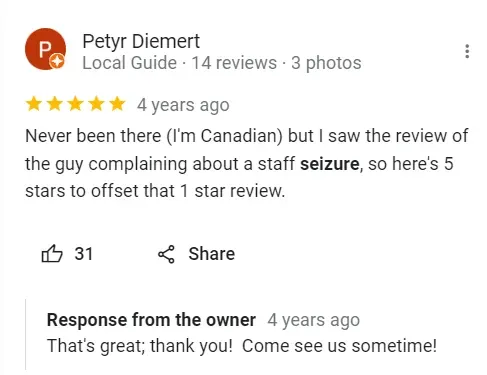
This approach isn’t right when you haven’t personally used the product or service. A product description, demonstration, unboxing, or someone else’s account can help you form a question, but it can’t support a review of your own experience. Wait until you have used it yourself, and separate what you observed from what the seller claims.
If you tried only one feature, one session, or an older version, say that plainly rather than implying you tested the whole offering. Don’t fill the gap with generic praise; describe what you want to know without presenting it as a review.
It also isn’t right when the business relationship could affect your judgment. Employees, owners, paid creators, affiliates, and people who received free products or other benefits may need a clear disclosure, platform permission, or a different type of testimonial.
State the connection where readers will see it, and don’t present paid or provided access as an ordinary customer experience. If the relationship makes an independent opinion difficult, stick to clearly identified facts instead. Check the relevant policy before posting, because disclosure and endorsement requirements can differ by platform and location.
A positive review is the wrong choice when the experience involved a serious safety, legal, billing, or privacy problem. Stop using a product if continued use could cause harm, and keep receipts, screenshots, messages, photos, and other records that establish what happened.
Contact the business through its formal support channel so there’s a dated record of the complaint. Report the issue to the relevant regulator or platform when needed. Don’t use praise to soften a risk that readers need to know, and don’t bury a material warning beneath enthusiastic language.
This method also has a limit: the value of a review depends on how closely your situation matches the reader’s. Describe the product or service, the intended audience, the conditions of use, and the result you actually got. Mention factors that could change the outcome, such as the version, location, skill level, accessibility needs, or time available.
A review from a large household may not guide someone living alone, and a result achieved with expert help may not reflect ordinary use. Readers can assess their own likely value from those details, not from the number of positive words.
Frequently asked questions
Can a positive review be only one sentence?
Yes, a one-sentence review can work for a simple purchase or quick visit. Name what you used, state the result, and add one reason, such as “The replacement part fit correctly and arrived before my scheduled repair.” A single sentence becomes weak when it only says “Amazing service” because the reader can’t tell what happened or why the praise applies.
How long should a positive review be?
A quick review should be 2–3 sentences, while a detailed review often works well at 75–150 words. The product, service, and platform decide the useful length. Use the shorter range for a simple purchase, and use the longer range when readers need context about communication, setup, a problem solved, or a condition that affected your experience.
Why does my positive review sound fake?
Your review may sound fake when it uses broad praise without a personal detail. Replace words like “perfect” or “incredible” with what you saw, used, received, or achieved. Add one reason the result mattered to you, and include a fair limit if the experience wasn’t flawless. Specific facts usually sound more natural than a long list of compliments.
Is it safe to include names in a review?
Only include a name when it helps identify the service, and you’re allowed to share it. Avoid private phone numbers, order numbers, home addresses, account details, or another customer’s name. A worker’s first name may be useful in some settings, but check the platform and company policy if you’re unsure. Keep the review about the experience, not private information.
What happens if I received a discount for my review?
You may need to disclose the discount or other benefit, and you shouldn’t promise a positive rating in exchange for it. The exact requirement depends on the country, platform, and relationship. Check the current rules before posting, and describe the real experience rather than changing your opinion to satisfy the business.
Does it matter if I mention a weakness?
Yes, a relevant weakness can make the review more useful. Say what the limitation was and who should consider it, such as “Setup took longer than expected, but the instructions were clear once the account was connected.” Don’t invent a fault to appear balanced, and don’t hide a serious safety or legal concern behind mild criticism.
How do I write a positive review for a business?
Start with the service and result, then add one detail about the staff, process, timing, or problem solved. Finish by saying who you’d recommend it to. For example, “The repair was completed during the scheduled visit, and the technician explained the next steps clearly. I’d recommend this service to anyone who wants clear communication before work begins.”
How to Start Your Positive Review
Start by writing the product or service, the result you wanted, and one reason it mattered to you. Add the basic context a reader would need to judge the experience: when you used it, which version or plan applied, and what you actually did. If timing, location, condition, or prior experience changed the outcome, include that too. Keep the opening factual before you describe how you felt.
Then separate what you observed from what you concluded. “The package arrived two days late” is stronger than “the company doesn’t care about customers.” Describe the feature, interaction, defect, or outcome that led to your opinion.
Mention what worked as well as what failed when both are relevant, and say whether you contacted the seller or provider and what happened next. For a negative review, explain what response might have resolved the problem; for a positive one, name the part worth repeating.
Remove any claim you can’t support. Check names, dates, amounts, quoted statements, and comparisons against your records before posting. If you’re unsure, change an absolute claim such as “always” or “never” to a precise account of what happened to you. Don’t include another person’s private details merely to make the story more convincing.
Finish by telling readers what they can reasonably expect and who might have a different experience. A review is useful when a stranger can understand the situation, the result, and the reason for your rating without asking for missing facts. Stop and get help before posting if it involves a legal dispute, a serious safety issue, confidential information, or a paid relationship you can’t disclose clearly.

Robert Miller works as a Reputation Management Consultant. He has been helping U.S. businesses for over ten years. His work involves helping people protect and enhance their online image.Robert has worked with a wide range of companies. He has helped new businesses, local places that give a service, and big companies. He helps turn customer reviews into something that helps people trust their company and drives business growth.